Digital health and CAMHS: Unpacking the Government’s 10-year Health Plan – Part 1

Digital health and CAMHS: Unpacking the Government’s 10-year Health Plan – Part 1

Digital health and CAMHS: Unpacking the Government’s 10-year Health PlanPart 1

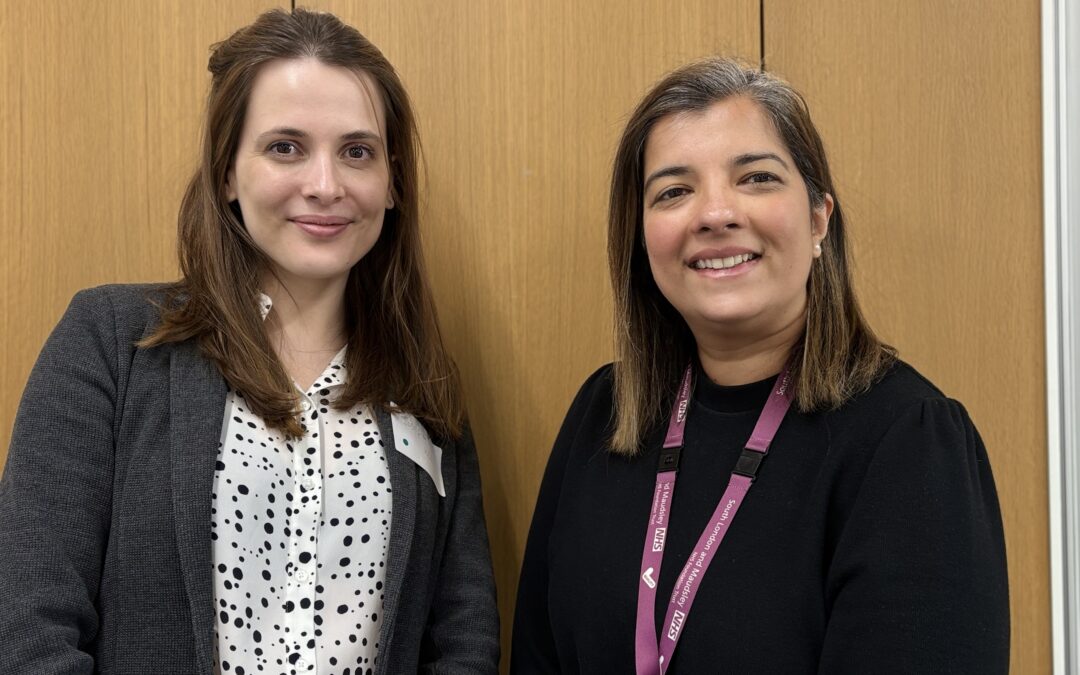
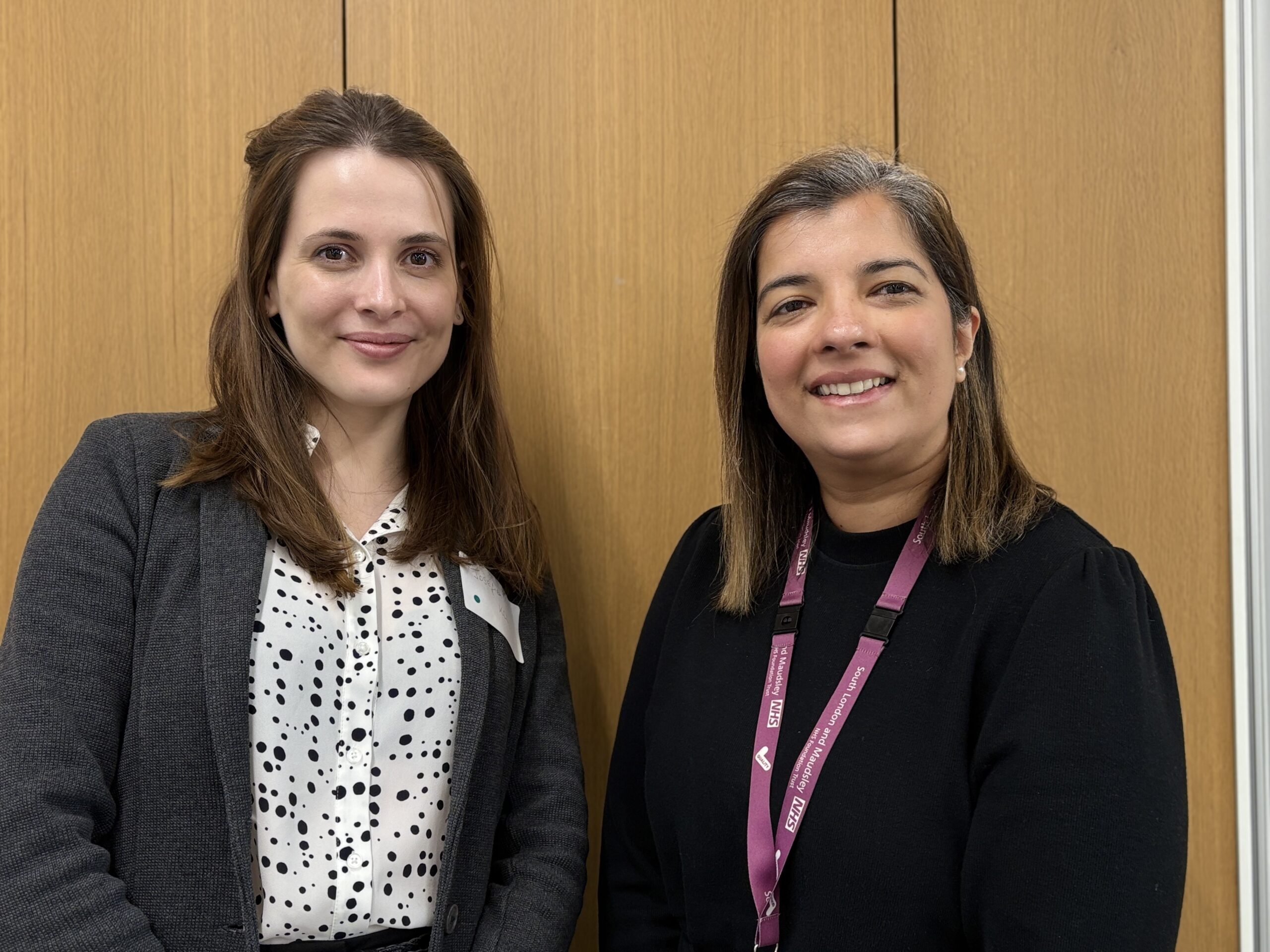
By Prof. Johnny Downs and Zoë Firth, on behalf of the CAMHS Digital Lab 

Zoe Firth
Johnny Down

The Government recently released its 10-year Plan for the NHS. After an initial reaction, we have spent the past few weeks reading the plan and discussing it with colleagues in clinical services.  We are encouraged to see a shift to digital named as a key operational driver of change across the NHS. At the CAMHS Digital Lab, we create digital innovations and health informatics to support children and young people’s mental health services. Our work aligns with the plan in many ways – placing prevention, community care, and digital innovation at the heart of clinical services. Read on to find out more about how the CAMHS Digital Lab is already delivering on key ambitions in the 10-year Plan.   

Digital innovations that provide clinicians with more data to support decision-making.  We were pleased to see encouragement for NHS providers to make better use of IT systems, supporting activities like collecting outcome measures from patients as well as using dashboards designed for clinicians to visualise data. With the support of our NHS colleagues, we have successfully developed and implemented these technologies across our local CAMHS teams in Southwark, Lambeth, Lewisham and Croydon. We were interested in the emphasis on the use of ambient voice technology (AVT) to support clinicians by, for example, streamlining note taking. We agree that there is a lot of the potential for these technologies to reduce the administrative burden on clinicians, improve their job satisfaction, and provide more time for patients. There are still questions to be answered to ensure these tools are accurate across different clinical specialties and the needs of different patient groups. We hope to address some of these questions as we prepare for a trial we are conducting of AVT in Croydon and Lambeth CAMHS in partnership with Anathem.

Early intervention and prevention. These were named as critical to supporting children and young people’s mental health, with schools identified as key to implementing this ambition. Our work within the Maudsley Education Consultation Service has supported schools to understand and improve their students’ mental health. Together, we implemented our co-designed myJournE app, developed for students, caregivers, and teachers to monitor mental health risk factors and outcomes, and provide school leaders with a comprehensive, whole school mental health needs assessment. We are also supporting a pioneering pilot of digitally delivered Single Session Interventions for adolescents with anxiety and depression who are on the waiting list for community CAMHS. The goal is to provide short and accessible support to teens who may otherwise be at risk of deteriorating mental health while waiting to access CAMHS. 

In line with the early intervention and prevention aim, the plan highlighted how increasing the collection of information on children’s mental health – i.e., remote monitoring – can support earlier intervention and improve clinical decision-making. This starts in early childhood, with the plan outlining plans to move to the use of a digital ‘e-red book’. In our work within Gen2020, we’re developing a digital platform to track early developmental milestones, aiming to help parents and early childhood services accurately track development and access support more efficiently. We appreciated the Plan’s support for further expansion of data collection across different health services, including patient-reported outcome measures like those we have collected from children and young people through the myHealthE platform. Likewise, wearables – wearable devices like watches that monitor health data such as movement and heartrate – are valuable sources of information. Through our PACES+ project, we have brought wearables into mental health, piloting a device to track activity levels in children and young people trying to find the right dose of  ADHD medication. To support this ambition, we could also monitor mood through apps such as myJournE, currently in use in the international AIMS 2 Trials study capturing the daily experiences of autistic young people. The Plan also highlighted the need for improved ways of assessing the implementation of digital technologies in clinical services, as we are doing through our Digital Therapeutics Assessment Group. 

We’re sharing this work not just to highlight achievements, but to celebrate the parts of the plan that are grounded in strong evidence and are already making a difference in clinical settings. These uses of digital innovation and focus on early detection and prevention also aligns with other NHS priorities like the UK clinical research system transformation. Across our services, we’ve seen how digital innovation can transform the way we support children and young people’s mental health. This innovation is helping families feel more informed and empowered, while giving clinicians more time to focus on what matters most: working closely with families to deliver personalised, effective, and joined-up care. 

For more information please email us at camhsdlab@kcl.ac.uk.

Acknowledgements

Special thanks to Dr. Shuo Zhang and Jessica Penhallow for their support in preparing these blogs.

Follow Us

For the latest updates and news, follow us on our social channels.

Reflections from the Neurodevelopmental Conditions Community of Practice

Reflections from the Neurodevelopmental Conditions Community of Practice

Reflections from the Neurodevelopmental Conditions Community of Practice   

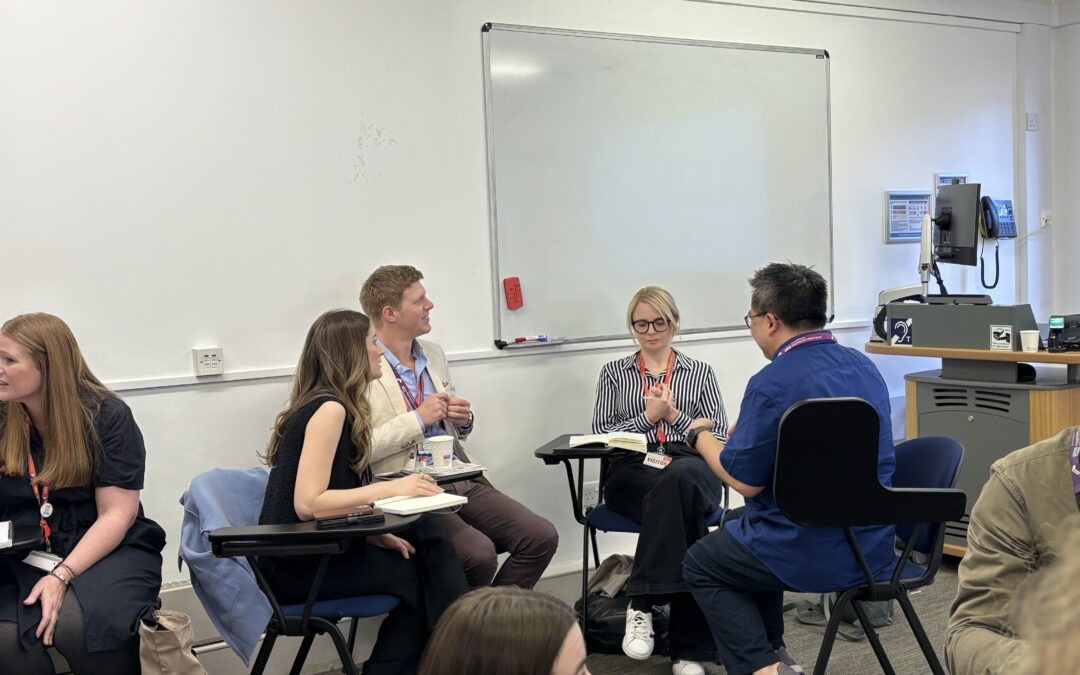
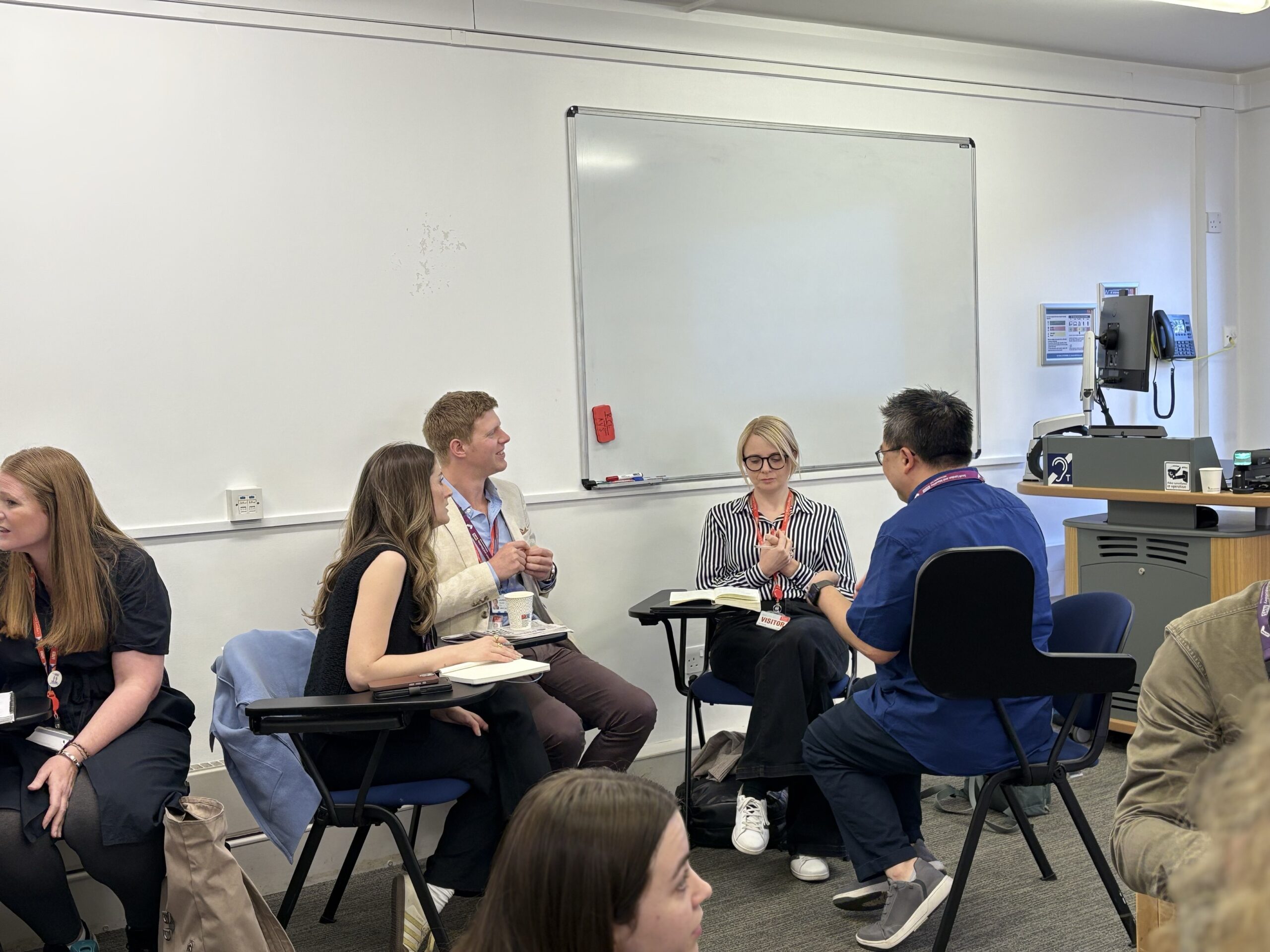
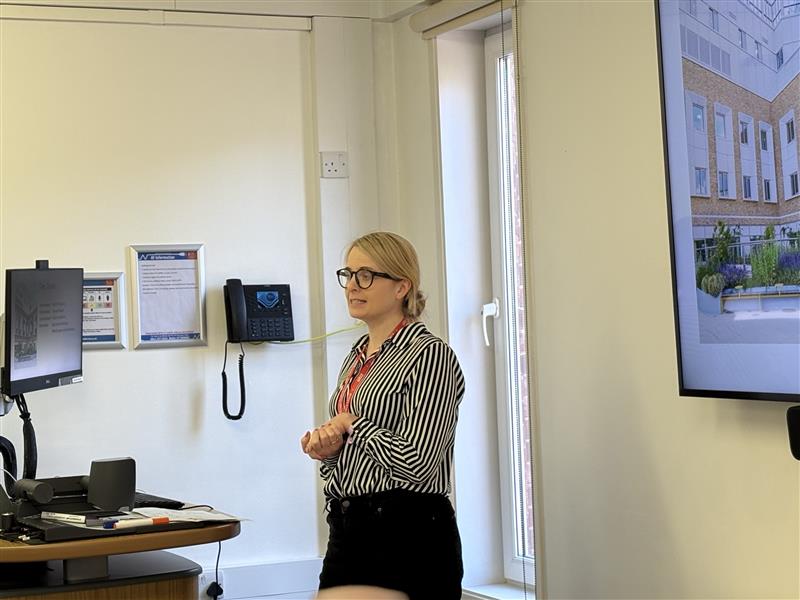
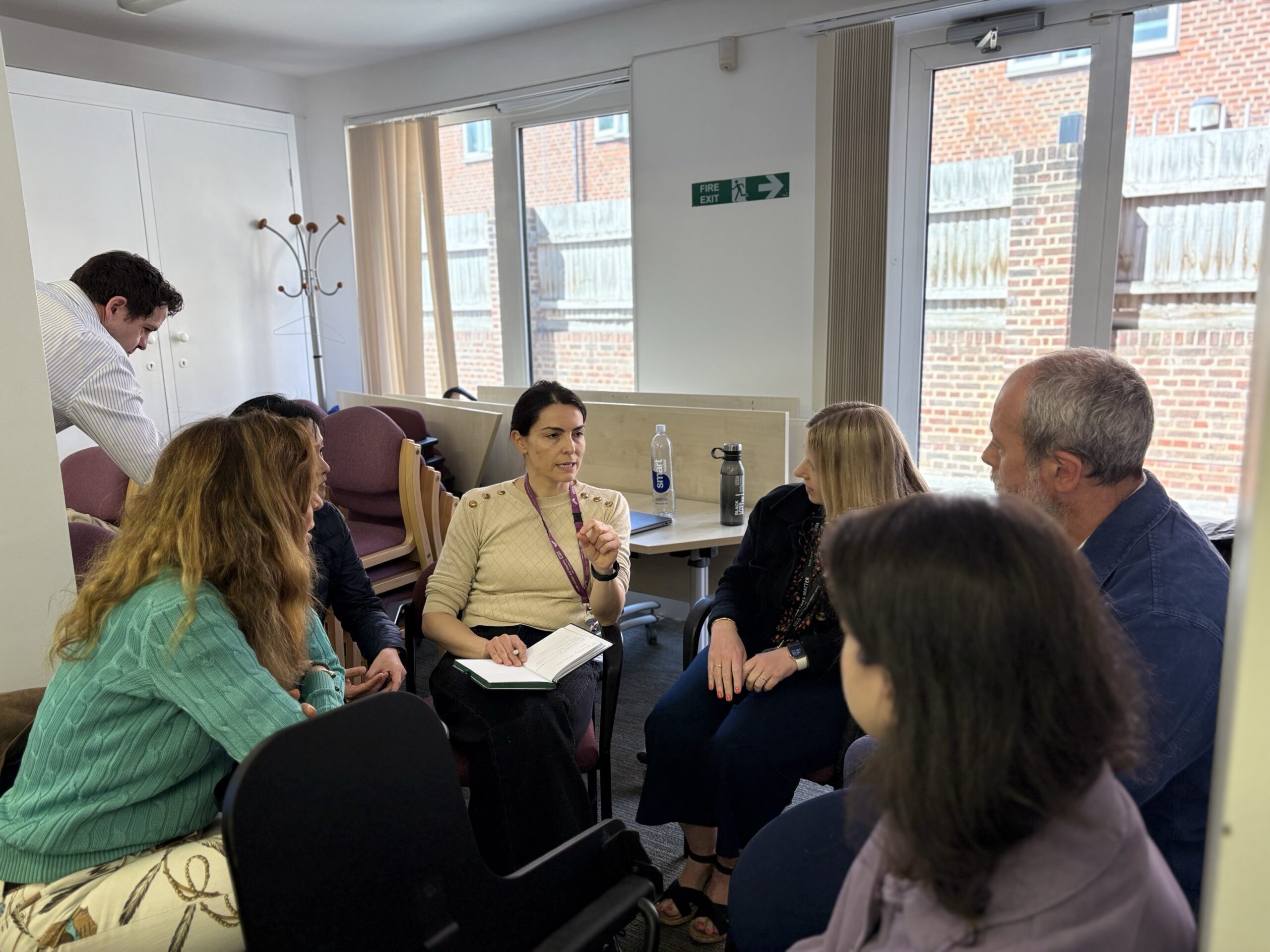
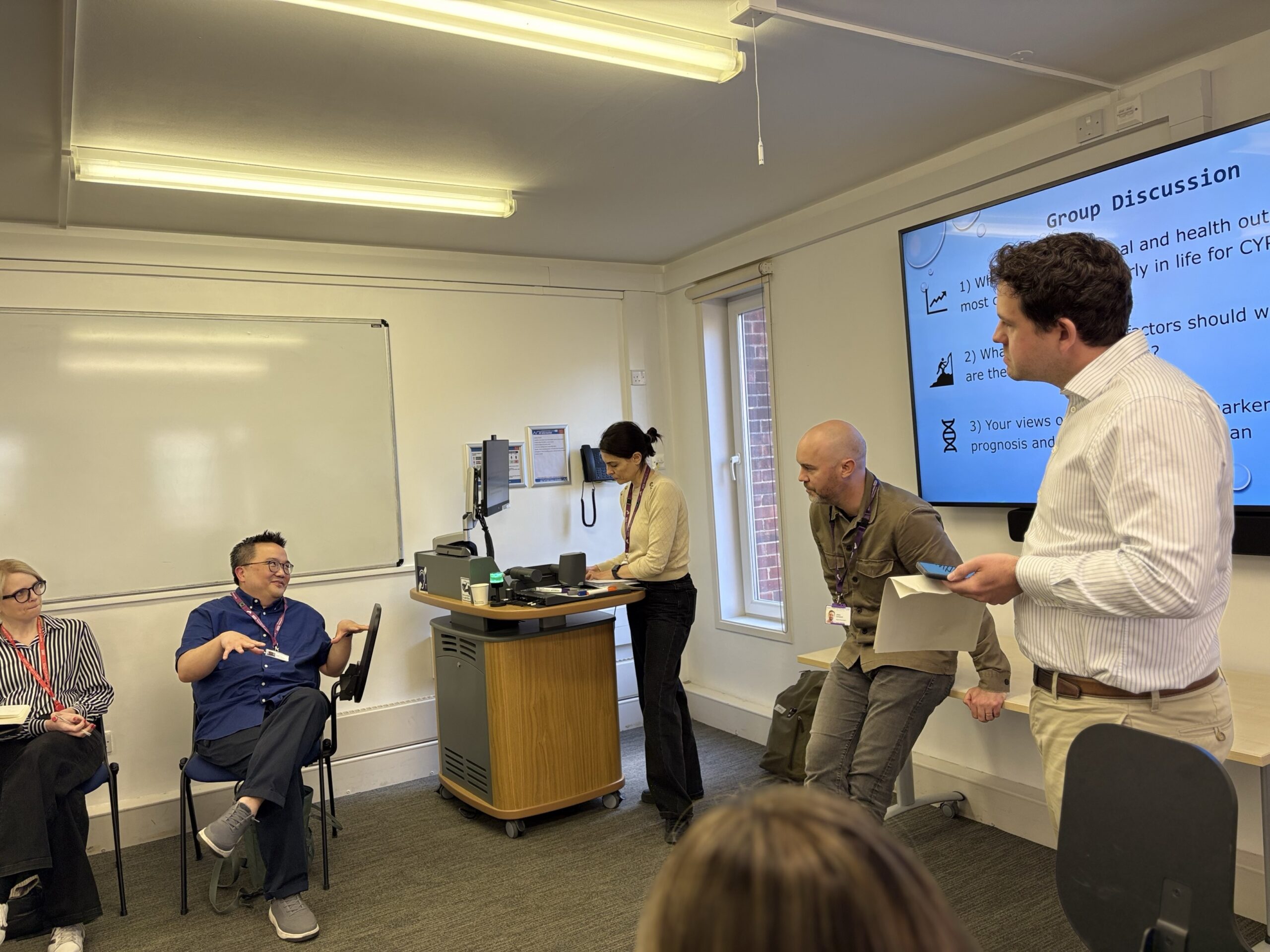
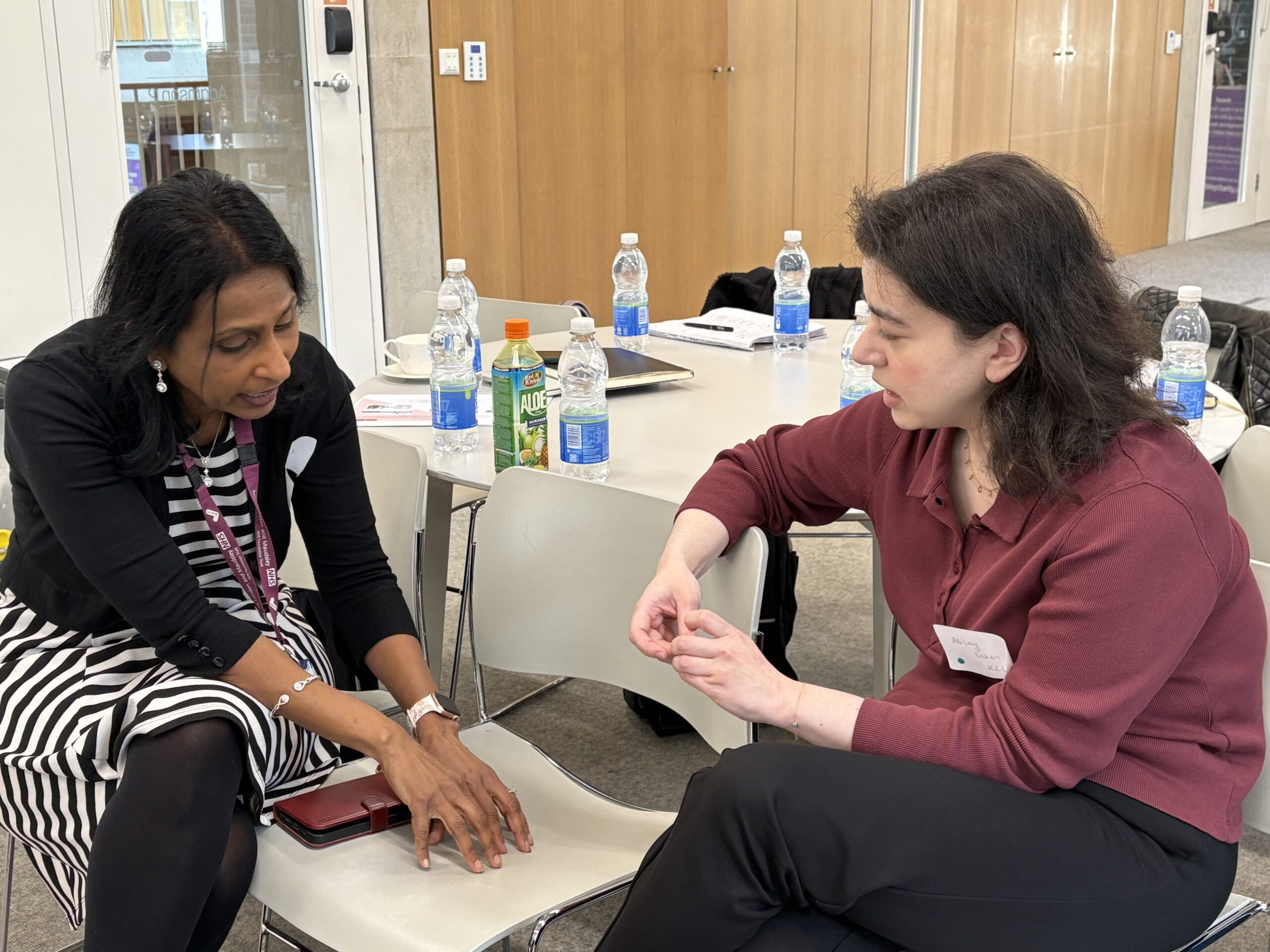
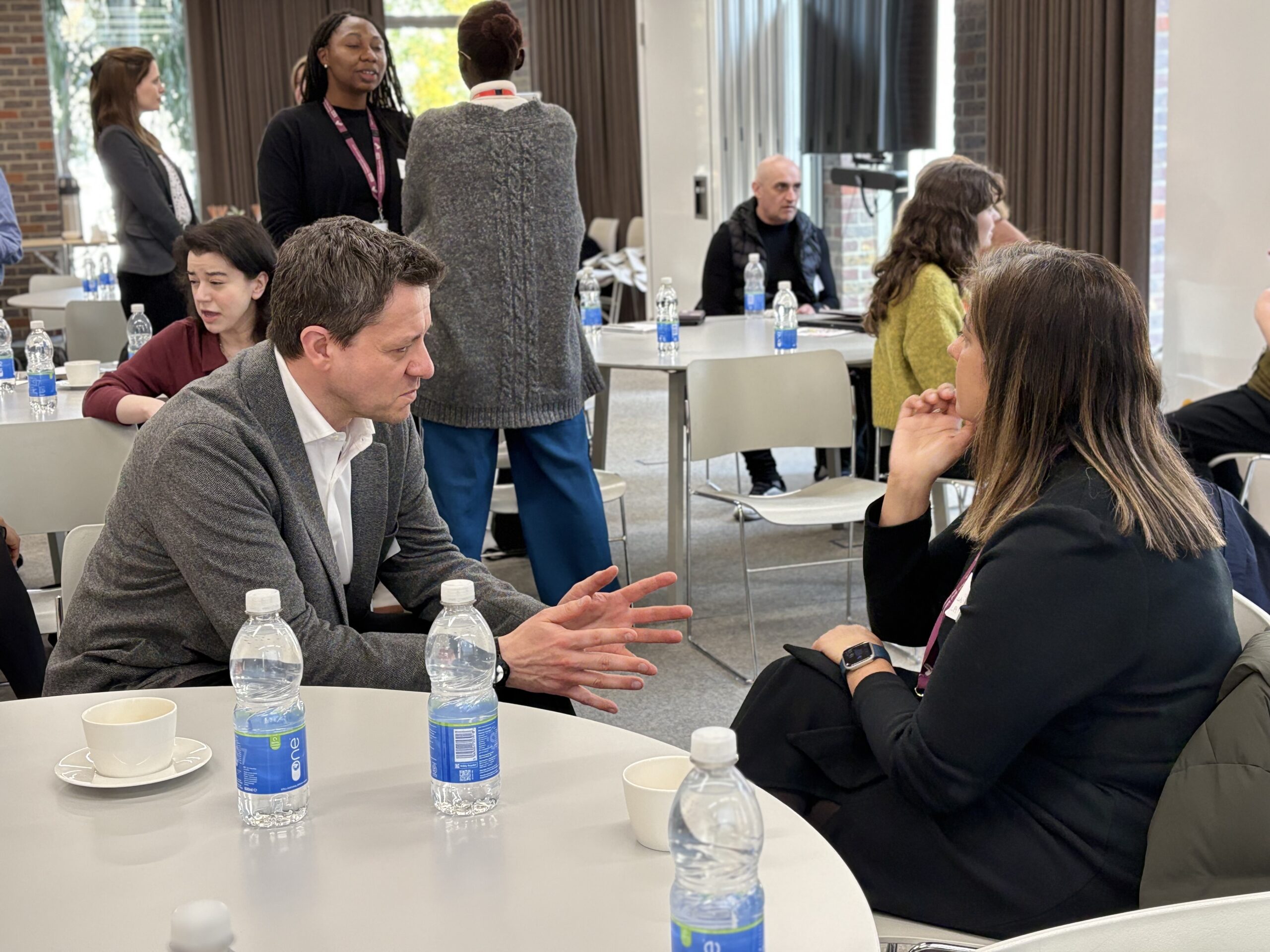
On Friday 18th July, members of the Neurodevelopmental Conditions Community of Practice (CoP) gathered to share learning, test new ideas, and explore what the NHS 10-Year Plan could mean for children and young people with neurodevelopmental conditions. 

AI and Sleep Testing New Ideas in Real Time 

A highlight of the session was Dr Laurence Telesia’s presentation on “Developing an AI chatbot to elicit clinically meaningful narratives from parents”. 

“The Neurodevelopmental Conditions Community of Practice was an excellent forum to discuss my research ideas and get feedback from a diverse range of professionals from clinical, academic and other backgrounds.  

My research interest is in sleep and ADHD, which we know from the existing literature is an important topic. Sleep problems impact the lives of many children and their wider families. But there has been very little qualitative research looking at the bedtime routine in this group, or identifying the sort of things that tend to go wrong. I’m looking to address this gap in the literature and explore whether AI can be used as a novel approach to get rich qualitative information from a much wider range of people than traditional qualitative methods can. 

I think that we, as researchers and clinicians, could learn from the principles of User Centred Design. In this approach, input is sought very early, and prototypes are repeatedly iterated. I was therefore grateful for the opportunity to present an early prototype of an AI chatbot to the Community of Practice. Having so many people test the technology at the same time, and then thoughtfully discuss the experience of using it and its future potential, has been really valuable.  

The group highlighted several improvements that could be made for the next iteration. There is no doubt that the Community of Practice has had a meaningful impact on the design of my research; within minutes of the meeting, I had updated the chatbot based on our discussions. I don’t think there would be another way to get such valuable feedback so quickly. “ 

What Could the NHS 10-Year Plan Mean for Neurodevelopmental Services? 

The session also included a discussion on the NHS 10-Year Plan for England, led by Ashish Jain, exploring its potential impact on children and young people with neurodevelopmental conditions. 

The Plan sets out three headline shifts: from hospital to community, from analogue to digital, and from sickness to prevention. These ambitions align closely with the ethos of the King’s Maudsley Partnership, but the group also surfaced important reflections: 

  • Hope and Curiosity – There was clear appreciation for the ambition of the Plan. Members were interested to understand more about how the Government would ensure that the funding, staffing, and infrastructure would match its ambitions. 
  • Equity and Access- Concerns were raised about regional disparities and whether children and young people with neurodevelopmental conditions will benefit equitably from reforms. Who will get access first? Will digital tools reach the digitally excluded? 
  • The Role of Lived Experience- Members emphasised the need to embed lived experience in service design — particularly when developing community-based and digital solutions for children, young people and families navigating complex neurodevelopmental journeys. 
  • Research Gaps and Opportunities- The Plan’s shift toward prevention and digital care opens doors for new research — but also raises questions. How do we measure impact for neurodiverse populations? What models are most effective for early intervention? 
  • Joined-Up Working- A consistent theme was the need for genuine cross-sector collaboration. Education, health, and social care must be aligned if the vision of early, community-based, preventative support is to be realised.

Get Involved 

Interested in contributing to the conversation or shaping what comes next?
📩 Contact us at pmcyp@slam.nhs.uk 

Let’s keep building this community—together. 

Follow Us

For the latest updates and news, follow us on our social channels.

Building Momentum: Shaping the Neurodevelopmental Conditions Community of Practice

Building Momentum: Shaping the Neurodevelopmental Conditions Community of Practice

Building Momentum: Shaping the Neurodevelopmental Conditions Community of Practice  

“We had a fantastic second meeting of the Community of Practice with some brilliant discussions around research projects and some really interesting contributions to how we want to develop the Community of Practice as a whole. It’s starting to build momentum and we’re very excited about the next steps.” 
Dr Jesse Campbell

Co-chair, Neurodevelopmental Condititions Community of Practice

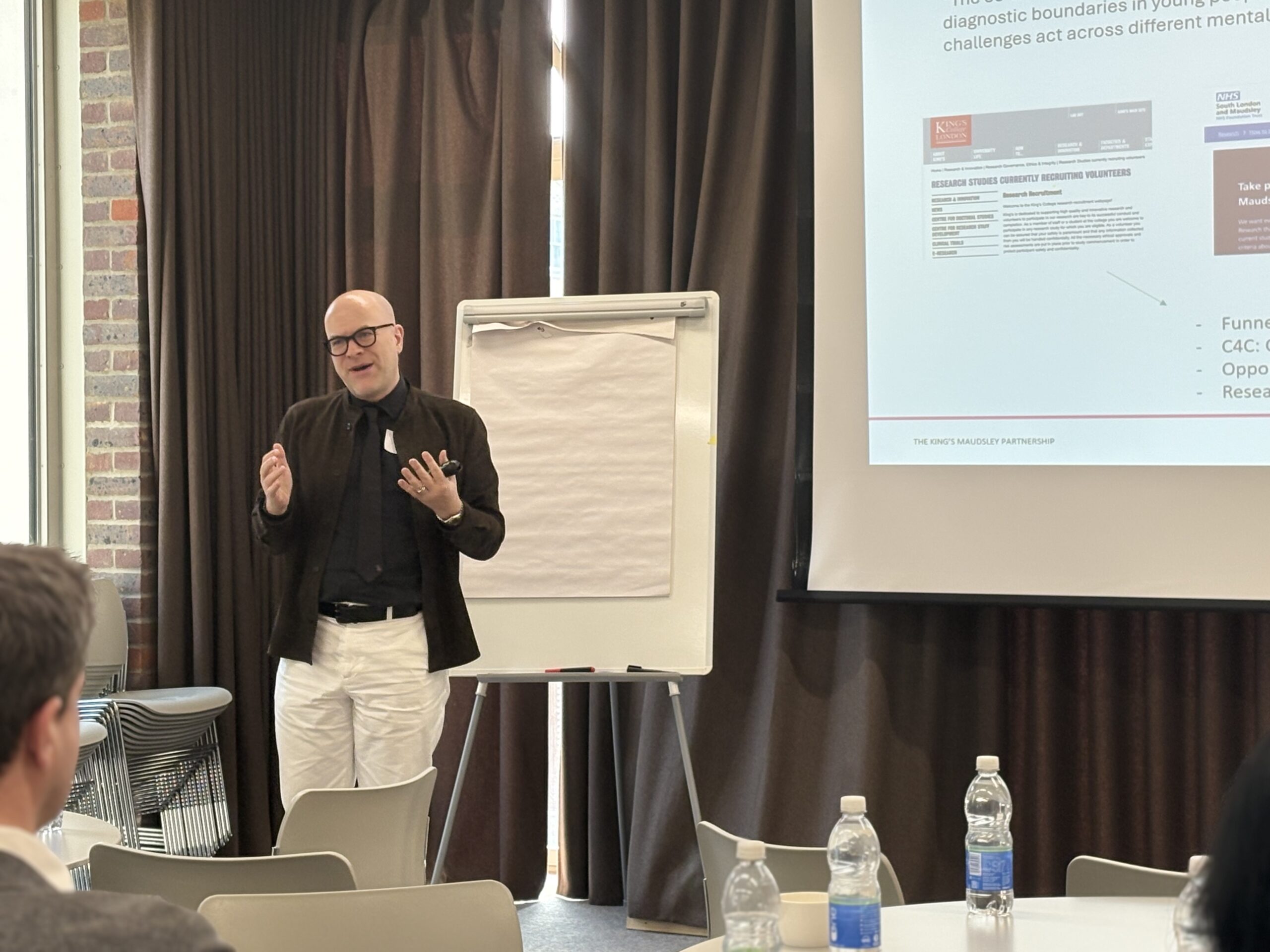
On Friday 23rd May 2025, we hosted the second meeting of the Neurodevelopmental Conditions Community of Practice at the King’s Maudsley Partnership. Clinicians and researchers gathered for an energising session focused on strengthening collaboration, sharing ideas, and improving care for children and young people. This Community of Practice is designed to bring people together across disciplines, services, and lived experience to shape better outcomes through collective action. 
“It was a rich and stimulating discussion between clinicians and researchers, with thinking about how to better engage children, young people and families at its heart.” 
Dr Ashley Liew

Consultant Paediatric Neuropsychiatrist

Spotlight Session: Predicting Outcomes in ADHD 

We were joined by Dr Nicoletta Adamo, who presented her project: “Predicting Outcomes in ADHD: Perspectives and Priorities from Lived Experience.” 

This study is exploring whether a tool can be developed to better predict which children with ADHD are likely to experience fewer difficulties and which may need more support. By looking at a combination of personal traits and environmental factors, the research hopes to understand what drives success—and what gets in the way.

To make the tool as accurate as possible, the study also considers whether genetic information or ‘biomarkers’ could play a role. These can be gathered from a simple salvia sample and look at our genetic makeup, and might tell us about likely future health outcomes for a child with ADHD – for example whether a child is likely to experience depression in adolescence, or likely educational attainment. This study is doing a deep dive into understanding if that information was gathered and shared, how it could best be used to aid, not hinder outcomes. The project will launch in July and involve: 

  • Focus groups with young people (16–25), parents, clinicians and teachers
  • Exploration of how such tools are perceived—including emotional impact and ethical considerations
  • A co-designed, inclusive approach that ensures personalised support care, not stigma

The Community of Practice discussed the study. We discussed the importance of sharing this information about predicted outcomes in a considered way so they do not have unintended consequences that hinder a child’s potential. There was however much discussion also about the potential of biomarkers being able to improve treatment and preventative care by giving more information to clinical services and policy makers to ensure individuals receive the best possible support. 

“I found it particularly helpful to have this as a forum to get feedback on my research and how it can actually be meaningful for the Community of Practice—and to hear from clinicians about what’s helpful and implementable in practice.” 
Dr Nicoletta Adamo

Get Involved 

Interested in contributing to the conversation or shaping what comes next?
📩 Contact us at pmcyp@slam.nhs.uk 

Let’s keep building this community—together. 

Follow Us

For the latest updates and news, follow us on our social channels.

Can AI Make Mental Health Care Smarter, Faster, and Fairer for Children?

Can AI Make Mental Health Care Smarter, Faster, and Fairer for Children?

Can AI Make Mental Health Care Smarter, Faster, and Fairer for Children?

– By Professor Gustavo Sudre, Professor of Genomic Neuroimaging and Artificial Intelligence and Rosetrees Pears Chair of Bioinformatics, Department of Child & Adolescent Psychiatry

The journey to effective help for challenges to mental health in children can be long. While there are many effective interventions, clinicians are often unsure which intervention will most likely help. So, there is usually a trial-and-error approach, trying one intervention, then another, and sometimes even another, until the most helpful one is identified. It is a process that even the most dedicated clinicians struggle to navigate, and it can be overwhelming for families. This is why my work looks at how Artificial Intelligence (AI) can support and improve this process.

As a researcher working at the intersection of mental health, artificial intelligence, neuroimaging, and genomics, I’ve spent the past decade asking how we can improve. Can we make mental health interventions more precise and more inclusive? Can we move away from relying on observable behaviours and start using objective biological data to guide understanding, diagnosis, and treatment? And perhaps most importantly, can we ensure these improvements reach all children, not just a few?

I recently moved to King’s College London from the US-based National Institutes of Health to build a team focused on addressing exactly these questions. And while AI can’t fix everything, we’re seeing more and more ways it could meaningfully transform youth mental health care.

From symptoms to biology

Much of our current approach to mental health starts with symptoms—what a young person reports, how they behave, and how others describe them. That’s valuable, but it’s only part of the picture. Mental health conditions like attention-deficit/hyperactivity disorder (ADHD) and obsessive-compulsive disorder (OCD) often vary widely between individuals: this variability isn’t captured by the diagnostic label. That’s where AI can help.

We’ve used machine learning to uncover brain-based subtypes—we sometimes call these “biotypes”—in large datasets of children living with ADHD. These subtypes reflect real differences in brain function that aren’t always visible through clinical observation. And they matter: we’re beginning to find that children with different biotypes may respond differently to different treatments.

For example, one subtype we identified involves disruptions in attention-related brain circuits, and those children tend to respond particularly well to stimulant medications. We’re now asking if other subtypes or biotypes might benefit more from non-stimulant medication or behavioural therapies. The idea is simple: tailor treatment to biology, not just behaviour. But the potential impact—faster recovery, fewer side effects, and less family stress—is enormous.

Predicting what comes next

Another area where AI is proving decisive is predicting outcomes. One of the most common—and essential—questions from children, young people, and families is about what the future might hold. This is a hard question to answer. Even detailed clinical assessments don’t reliably predict whether a child with a diagnosis of ADHD, for example, will continue to have troublesome symptoms into adolescence or will resolve.

That’s changing. In a recent project, we combined genetic and brain imaging data from children diagnosed with ADHD and trained a machine learning model to predict their future outcomes. With over 80% accuracy, we can now predict whether a child will meet diagnostic criteria in adolescence or whether symptoms will subside. That level of insight can be transformative for families and clinicians trying to make informed decisions about support and intervention. Our next critical step is to see if this predictive tool works in other settings.

Mind the gap

But with this exciting future comes a critical challenge: equity.

AI models are only as good as the data they’re trained on. And too often, that data doesn’t fully capture the children who need help the most—those from underrepresented backgrounds, or those with the most severe symptoms who can’t complete some research procedures (such as having an MRI scan).

If we’re not careful, we risk building tools that work well for some groups but leave others behind, reinforcing existing disparities in healthcare.

That’s why equity isn’t an afterthought in our research—it’s a design principle. In the new Pears Maudsley Centre, we’re investing in child-friendly, movement-tolerant brain imaging technologies that work even when kids are anxious or active. We’re also building strong partnerships with schools and communities to recruit participants who reflect the full diversity of the population. And we’re designing our models with inclusion in mind, so they’re more likely to benefit all children, not just the easiest to study.

A broader effort, a shared goal

This work is part of a broader effort across the King’s Maudsley Partnership, where researchers, clinicians, and technologists work together to improve youth mental health care. From digital tools being trialled in clinics to large-scale studies on how social media and cognitive functioning interact, we’re creating a more connected, data-informed understanding of mental health.

We’re also closely aligned with the new Pears Maudsley Centre for Children and Young People, which will bring cutting-edge research, clinical care, and community engagement under one roof. It’s precisely the kind of setting where research like ours can translate into real-world impact.

Follow Us

For the latest updates and news, follow us on our social channels.

Creating Connection: Launching the Affective Disorders Community of Practice

Creating Connection: Launching the Affective Disorders Community of Practice

Creating Connection: Launching the Affective Disorders Community of Practice

“It’s not often we get the space to stop, reflect, and build something new—together.” 

That sentiment, shared during our inaugural meeting, perfectly captured the energy in the room. Last month, the King’s Maudsley Partnership launched a brand-new Affective Disorders Community of Practice—a space for clinicians, researchers, and service partners to come together and improve care for children and young people experiencing mood and affective disorders. 

Why this Community matters 

Across CAMHS and academic settings, there’s a wealth of expertise in treating and understanding conditions like depression and anxiety in young people. But these insights can sometimes remain siloed with research not always filtering into day-to-day care, and frontline experiences not always shaping academic studies. 

That’s where this Community of Practice (CoP) comes in. It’s designed to break down those barriers, helping us build stronger bridges between research and reality. It’s a space to explore shared challenges, generate ideas, and collaborate on new ways to support young people and families. 

“Even after one meeting, we’ve already identified exciting opportunities to collaborate in new ways,” 
Dr Josefien Breedvelt

Co-Chair of the Affective Community of Practice and Prudence Trust Research Fellow

What we heard in the room 

The launch event was about more than structure and plans—it was a space for reflection and connection. Here’s what stood out: 

  • A hunger for collaboration 

Attendees spoke about the value of meeting others across services and disciplines. Whether it was someone new to the field or a seasoned clinician, there was a shared enthusiasm for building relationships that last beyond a single meeting. 

  • Turning ideas into impact 

There was strong interest in co-developing research that feels real and relevant, projects that respond to clinical questions and make a difference on the ground. 

  • Building with purpose 

People didn’t just want to benefit from the CoP—they wanted to shape it. There was real curiosity around how to build something sustainable, inclusive, and useful to everyone involved.

What’s next? 

We’re just getting started, but already, the group has started to shape what’s to come: 

  • Collaborative research development
    Interactive sessions like mind-mapping and co-planning workshops to turn ideas into action. 
  • Resource and information sharing
    A mailing list will help keep everyone connected with updates on funding opportunities and events. 
  • Inclusive, flexible formats
    We’ll explore hybrid and online sessions so more people can join. 
  • Support for everyone
    Whether you’re new to research or deeply embedded in it, the CoP will offer guidance and opportunities to get involved, no matter your role or level. 


Get Involved 

The Affective Disorders Community of Practice is about building something together with curiosity, care, and collaboration at its heart. 

Interested in joining us? Contact us at pmcyp@slam.nhs.uk

Let’s shape the future of children and young people’s mental health together. 

Follow Us

For the latest updates and news, follow us on our social channels.

Understanding ADHD

Understanding ADHD

Understanding ADHD

To mark Children’s Mental Health Week, Brody Barclay, 18, shares his experience of living with ADHD and autism and taking part in research.

– By Brody Barclay · Part of the RE-STAR Junior Youth Researcher Advisory Panel

Brody
Brody Barclay is part of the RE-STAR Junior Youth Researcher Advisory Panel. RE-STAR is a research programme run by King’s College London, working with young people with diagnoses of ADHD and autism to help cut the risk of depression. The team at KCL are part of the King’s Maudsley Partnership for Children and Young People, which brings together clinical and academic collaboration in mental health between South London and Maudsley NHS Trust and King’s College London’s Institute of Psychiatry, Psychology and Neuroscience, with Maudsley Charity as its charity partner.

Living with ADHD: Brody’s Story

My name is Brody Barclay and I am 18 years old. I am currently studying Game Design Art at the University of Central Lancashire. I was diagnosed with ADHD at the age of 9 and Autism at 13. It has been quite a struggle living with ADHD. I spent a long time thinking I was the only person who had a brain like mine. I thought I was broken and have often felt misunderstood. My teachers didn’t understand – in my early years in education, I was getting told off for not sitting still, lack of focus, not completing work in class. I have struggled with friendships over the years, having lost most of them due to misunderstandings and a lack of ability to properly communicate with them.

I have felt quite lonely at times. I am easily distracted. I could have a deadline due for the next day and despite my inner feelings begging me to do work, I find some little things on my desk to just play with. I can often be impulsive and say the wrong thing, but I never mean to hurt people. Some people can be unforgiving, think I’m rude or blunt. I end up overthinking every conversation I’ve had and replaying my responses, worrying in case I have said the wrong thing. I have struggled with anxiety for as long as I can remember. It’s exhausting. I also struggle with many food textures and tastes. Although I know I need to eat more, to put weight on, it’s a real struggle, adding a lot more stress. I have been on medication for ADHD. It had its place, especially during my GCSE’s. Although I have a love-hate relationship with it. I feel more artificial on it and not free to be me.

I can become very overwhelmed when given a lot of tasks in one go. Sometimes, this can stop me from starting anything. After I’ve been social with people, I need a bit of alone time to recharge my batteries. I’m not ignoring people as I love to socialise, but without that time, I just struggle to function around others. I can be very forgetful and I’m always looking for my keys.

My mum has been a real encouragement to me. She saw online a chance for me to help others from my experience living with ADHD.

RE-STAR – taking part in research

I joined the (Regulating Emotions – Strengthening Adolescent Resilience) RE-STAR Junior Youth Researcher Advisory Panel (or Junior Y-RAP for short) as a founding member in October 2022. RE-STAR is a research programme at King’s College London looking at methods that could be used in schools to help support neurodivergent young people with their mental health, particularly with depression. Part of this is giving them the strategies to help themselves. This is why it’s so important to hear from the real-life experience of young people to understand fully what their needs are to help them succeed.

Prior to joining the Junior Youth Researcher Advisory Panel, I was a study participant for RE-STAR taking part in an interview study the previous year. The majority of my interaction with RE-STAR has since been through the bi-monthly Zoom meetings the research team held with a group of 8-10 junior Y-RAP. Through these meetings, the group is shaping both the ‘what’ and the ‘how’ of the RE-STAR research programme . I also had some hands-on experience with some of the research methods at RE-STAR’s ‘Be a Researcher Day’ last summer.

To feel that people really care about young people’s mental health and everything that comes with living with ADHD is encouraging to me. Being able to be part of this project and having my voice heard shows me that whatever you go through can be used for good. That’s why I love being a part of RE-STAR research. It’s about having your voice heard so we are able to help others to make a better future for them.

Follow Us

For the latest updates and news, follow us on our social channels.