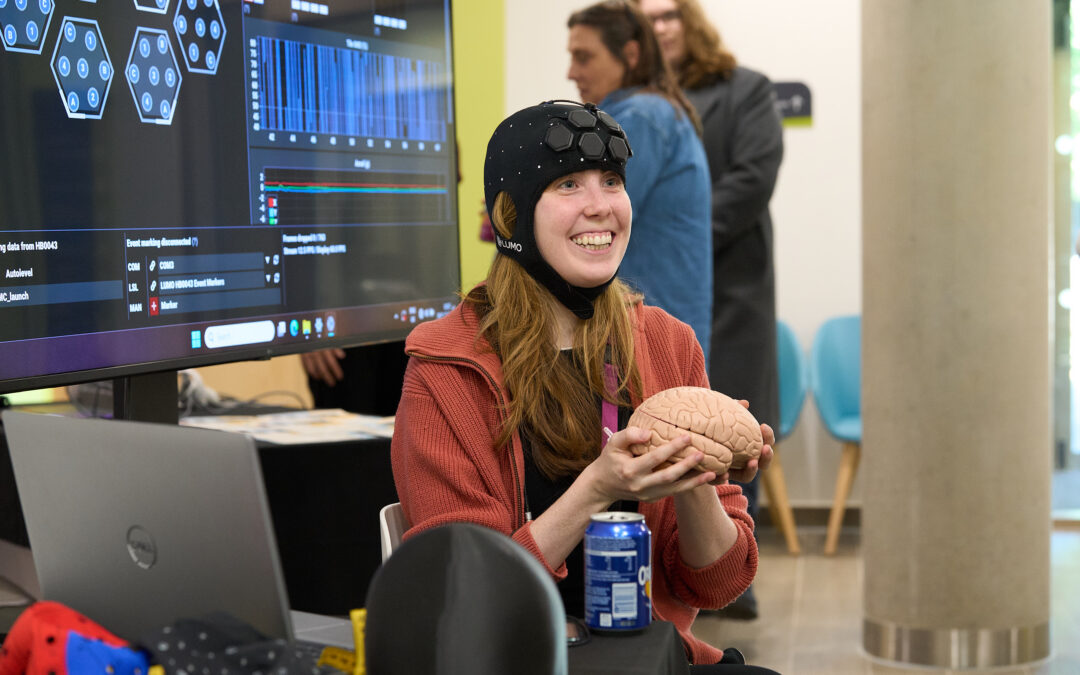
King’s researchers awarded major Wellcome Discovery Award to map children’s brain development

King’s researchers awarded major Wellcome Discovery Award to map children’s brain development

King’s researchers awarded major Wellcome Discovery Award to map children’s brain development

Researchers at King’s College London have secured more than £3.6 million from Wellcome to launch an ambitious new study that could transform understanding of how children’s brains develop. The study will explore why some young people show resilience while others become vulnerable to mental health difficulties.

two teenagers looking down on their smartphone

Led by Professor Chiara Nosarti, the Developing Children’s Connectome Project (DCCP) will build one of the world’s most comprehensive ultra‑high‑field neuroimaging datasets, following children from before birth through early adolescence.

The project draws on expertise across the Institute of Psychiatry, Psychology & Neuroscience (IoPPN) and the Faculty of Life Sciences & Medicine, bringing together specialists in child psychiatry, psychology, paediatric neurology, neuroimaging and computational neuroscience.

The new study will follow up children who were originally studied as babies as part of the Developing Human Connectome Project (dHCP), an internationally recognised programme that created the most detailed map of the newborn brain to date. By revisiting these children three times between the ages of 6 and 12, the DCCP will provide a unique window into how early brain organisation shapes later cognitive, behavioural and emotional development.

Using state‑of‑the‑art imaging at ultra‑high magnetic field strength, researchers will examine how brain networks evolve as children grow, and how biological and environmental factors interact to influence well‑being.

Professor Chiara Nosarti, Professor of Neurodevelopment and Mental Health, Department of Child and Adolescent Psychiatry, Institute of Psychiatry, Psychology & Neuroscience, at King’s College London, said:

“The Developing Children’s Connectome Project will follow children from before birth into childhood, creating the most comprehensive ultra‑high‑field neuroimaging dataset to date spanning ages 6 to 12 and linking the earliest brain features to later resilience and mental health vulnerability. The study will provide rich new insights into how biology and environment combine to shape a child’s developmental trajectory, and use this knowledge to guide strategies supporting children’s well‑being.”

All researchers on the award are based at King’s, drawn from both IoPPN and FoLSM.The research will take place in the Clinical Research Facility (CRF) at the Pears Maudsley Centre, which is due to open in 2026, providing a highly specialised environment for paediatric research. The project will utilise King’s world‑leading neuroimaging facilities and expertise

Philip Shaw, Director of the King’s Maudsley Partnership for Children and Young People and Professor at the Institute of Psychiatry, Psychology & Neuroscience at King’s College London, said:

“We know a lot about the developing brain in infancy and in the teenage years, but remarkably little about middle childhood. Working from the Pears Maudsley Centre and St Thomas’, the research team will work with local families to fill this knowledge gap. The projects strength is the rich diversity of its London home, making sure that its insights into the developing mind and brain are relevant to all children.”

The team hopes that insights generated from the project will support the development of new approaches to promoting resilience, identifying early markers of mental health risk, and informing prevention strategies during childhood – a period when many psychiatric conditions begin to emerge.

The award reflects King’s globally recognised leadership in neurodevelopmental research.

Professor Grainne McAlonan, Director, NIHR Maudsley Biomedical Research Centre (BRC), Clinical Professor of Translational Neuroscience, Institute of Psychiatry, Psychology & Neuroscience, King’s College London, said:

“Under the leadership of Professor Nosarti and with contributions from her team of expert investigators across our NIHR Maudsley BRC and King’s Health Partners this unique research brings together psychology, psychiatry, paediatric neurology, neuroimaging and computational neuroscience to transform what we know about children’s brains.”

Professor Paola Dazzan, Professor of Neurobiology of Psychosis at King’s, and Co-Lead for Psychosis and Mood Disorders at the NIHR Maudsley Biomedical Research Centre, said:

“By characterizing neurodevelopment from the prenatal period through childhood, we can identify early brain signatures that forecast vulnerability to future mental health problems, including psychosis and mood disorders. This could provide a foundation for the development of targeted, developmentally timed interventions that may alter trajectories before psychopathology consolidates.”


Follow Us

For the latest updates and news, follow us on our social channels.

Transforming Young Lives: The Pears Maudsley Centre prepared to welcome its first specialist teams

Transforming Young Lives: The Pears Maudsley Centre prepares to welcome its first specialist teams 

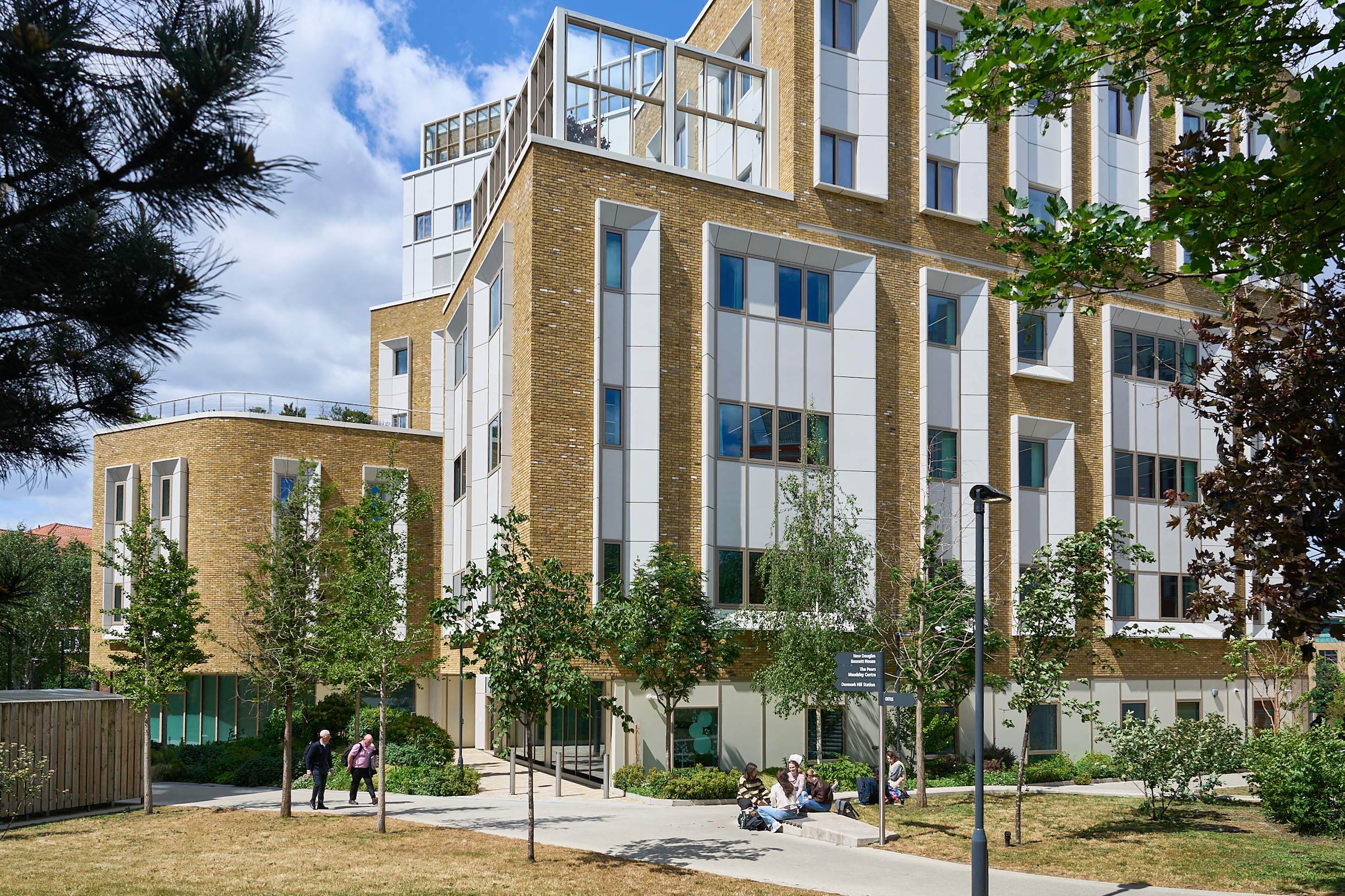
The King’s Maudsley Partnership will reach an important milestone in May when South London and Maudsley NHS Foundation Trust’s Child and Adolescent Mental Health outpatient services and The Maudsley and Bethlem Hospital School will take up residence in the brand-new Pears Maudsley Centre. 

The ground breaking building is the new home for the King’s Maudsley Partnership and throughout 2026 teams from South London and Maudsley and King’s College London’s Institute of Psychiatry, Psychology and Neuroscience will be moving in.  

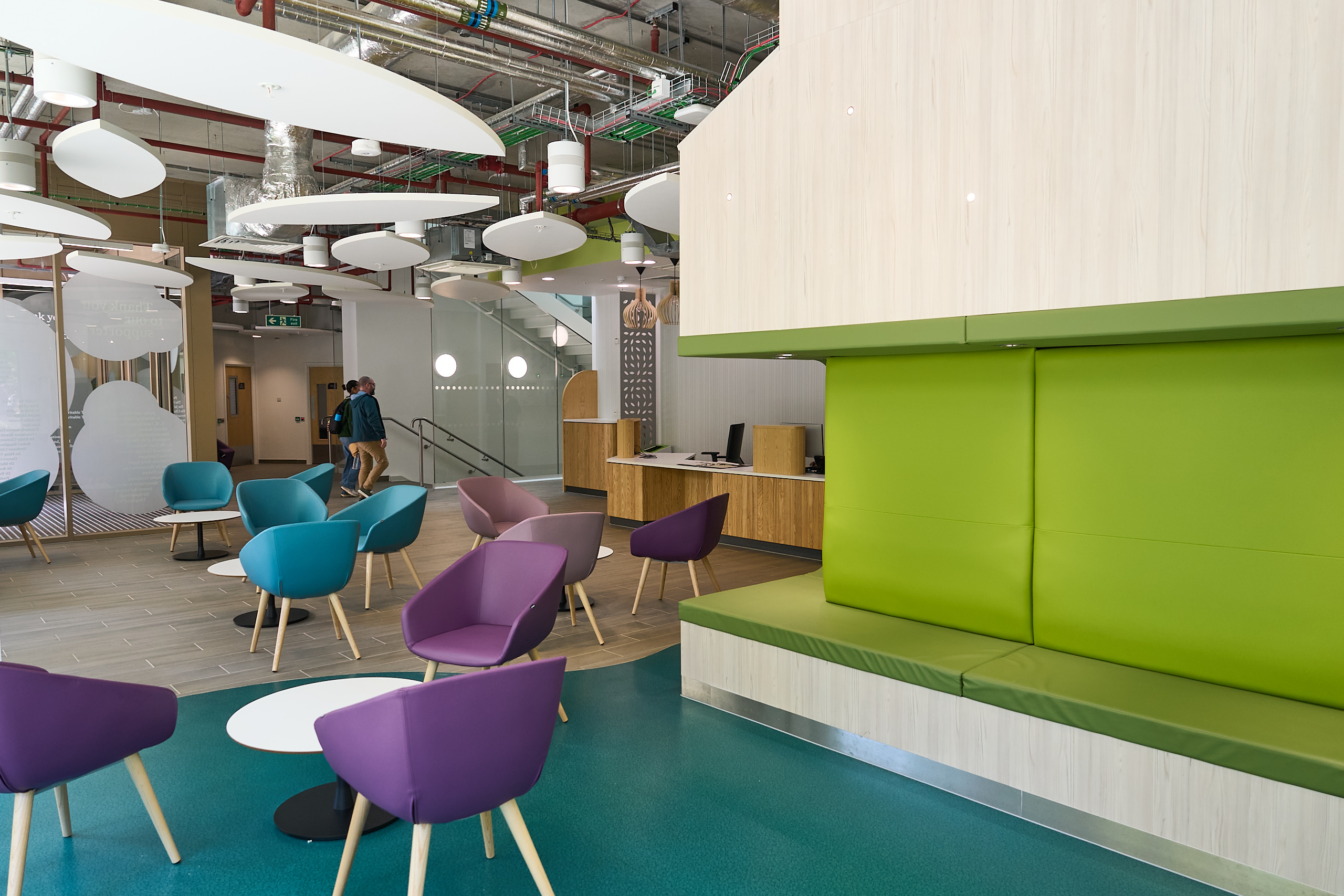
Designed with young people, the Pears Maudsley Centre is a vibrant and welcoming space that cleverly uses light, outdoor space, artwork and soft furnishings to help ease anxiety. There are also art rooms, spaces for cooking and horticulture therapy, external terraces with outdoor play and tailored learning spaces. 

The centre has been made possible thanks to a £10m donation from Maudsley Charity alongside the incredible generosity of major donors, foundations, and individual supporters. 

Research at the heart of mental health care 

The King’s Maudsley Partnership is driven by a singular vision: to transform our understanding of youth mental health and neurodevelopmental conditions and turn research into life-changing support faster than ever before. Now, that vision has a home. 

For the first time, world-class research and frontline care will coexist under one roof, ensuring that groundbreaking discoveries move directly from the lab to the young people who need them most. 

Follow Us

For the latest updates and news, follow us on our social channels.

Sign up to our newsletter for more updates on the Pears Maudsley Centre and for ways you can get involved! 
King’s researchers to lead an international partnership using AI to predict OCD in children

King’s researchers to lead an international partnership using AI to predict OCD in children

King’s researchers to lead an international partnership using AI to predict OCD in children 

An international team, led by researchers at the King’s Maudsley Partnership for Children & Young People, have received £2.2million in Wellcome Discovery funding to use AI to predict children at risk of OCD.

Parents walking holding childs hands.jpg<br />

Obsessive-compulsive symptoms can be present in one in five children. Obsessions can be intrusive, unwelcome thoughts and compulsions may appear as repetitive, lengthy rituals.

Whilst most children and young people grow out of these symptoms, a small percentage continue to experience obsessions and compulsions that then can impair a person’s life, which can lead to a formal diagnosis of Obsessive Compulsive Disorder (OCD). By this stage, OCD can be more challenging to treat, with more chronic symptoms predicting poorer outcomes.

“Talking to young people living with OCD and their parents, it’s clear that intervening early, before symptoms spiral out of control, could prevent a lot of distress and anguish. This project aims to do just that for children not just in the UK, but in Brazil, Sweden and beyond.” – Professor Philip Shaw, Director – King’s Maudsley Partnership for Children & Young People

Currently, identifying the children most at risk of developing full OCD is difficult, and this inability to predict the onset of OCD is halting advances in treatment and understanding. Prediction is a vital step to help implement early interventions, and tailor interventions to the needs of each young person.

The aim of this Wellcome funded project is to develop a tool to pinpoint who is likely to develop OCD and when this may be. To do this, easily obtainable medical information, often found in medical records, will be combined with more complex information on genetic make-up and brain features; to find out which type of information helps most in prediction.

“OCD is often thought of as an adult condition, but symptoms frequently emerge in childhood, and that is precisely where the greatest opportunity lies. This project builds a prediction tool that combines routinely collected medical information, the kind already sitting in clinical records, with genetic and brain imaging data to identify which children are most likely to go on to develop full OCD. AI gives us the ability to integrate those complex, multi-layered signals in a way that simply wasn’t feasible before, and to do so across diverse populations in the UK, Brazil, and Sweden.” – Professor Gustavo Sudre, Professor of Genomic Neuroimaging and Artificial Intelligence

Once this prediction tool has been developed, the team will create a framework that incorporates a diverse range of views, including those of people with lived experience of OCD. The framework and tool will be piloted with parents of children deemed at risk of

OCD, with a view of creating a scalable early intervention tool for OCD. This will involve culturally adapting, enriching and evaluating a digital early intervention too, including conducting open trials in the UK and Brazil to evaluate the intervention with parents of children identified as being at-risk, through the prediction tool developed earlier in the project.

Professor Philip Shaw and Professor Gustavo Sudre from the King’s Maudsley Partnership for Children & Young People will lead an international team including, Professor Elizabeth Shephard from the University of Sao Paulo, Professor Georgina Krebs from University College London, Professor David Mataix-Cols from Karolinska and Dr Nick Sireau and Dr Margherita Zenoni from Orchard OCD.

“Families affected by OCD often ask whether it is possible to prevent the condition in the next generation,” said Professor Mataix-Cols of Karolinska Institutet, one of the international centres involved in the project. “With the support of the Wellcome Trust, we will enhance and culturally adapt our prototype intervention for children at increased risk and evaluate it in the UK and Brazil. Our ambition is to intervene before symptoms become disabling by equipping parents with practical, evidence-based tools that can reduce risk.”

“Obsessive-Compulsive Disorder often emerges silently, with early warning signs that are difficult to interpret or act upon. By developing tools that can identify who is most at risk and when, this project has the potential to shift OCD from a condition we react to, to one we can anticipate and prevent. This represents a fundamental change in how we approach OCD: moving toward earlier intervention, personalised support, and ultimately better outcomes for children and families. Crucially, this research is grounded in lived experience and spans multiple countries, ensuring the solutions developed are both scientifically robust and truly meaningful to those affected.” – Dr Nick Sireau, Co-founder and Trustee, Orchard OCD

The researchers have worked extensively with over 150 people with lived experience on the early stages of this study and will continue to work closely with those with lived experience of OCD as the research progresses to ensure the findings and meaningful and shared widely.

Follow Us

For the latest updates and news, follow us on our social channels.

First in Europe: high-performance head-only scanner perfect for children’s health research

First in Europe: high-performance head-only scanner perfect for children’s health research

First in Europe: high-performance head-only scanner perfect for children’s health research

The Centre of Neuroimaging Sciences at Denmark Hill Campus, King’s College London, is now home to a new investigational GE HealthCare MAGNUS 3T MRI scanner, the first of its calibre in Europe. GE HealthCare is a 30 year-long industry-partner of researchers at King’s College London.

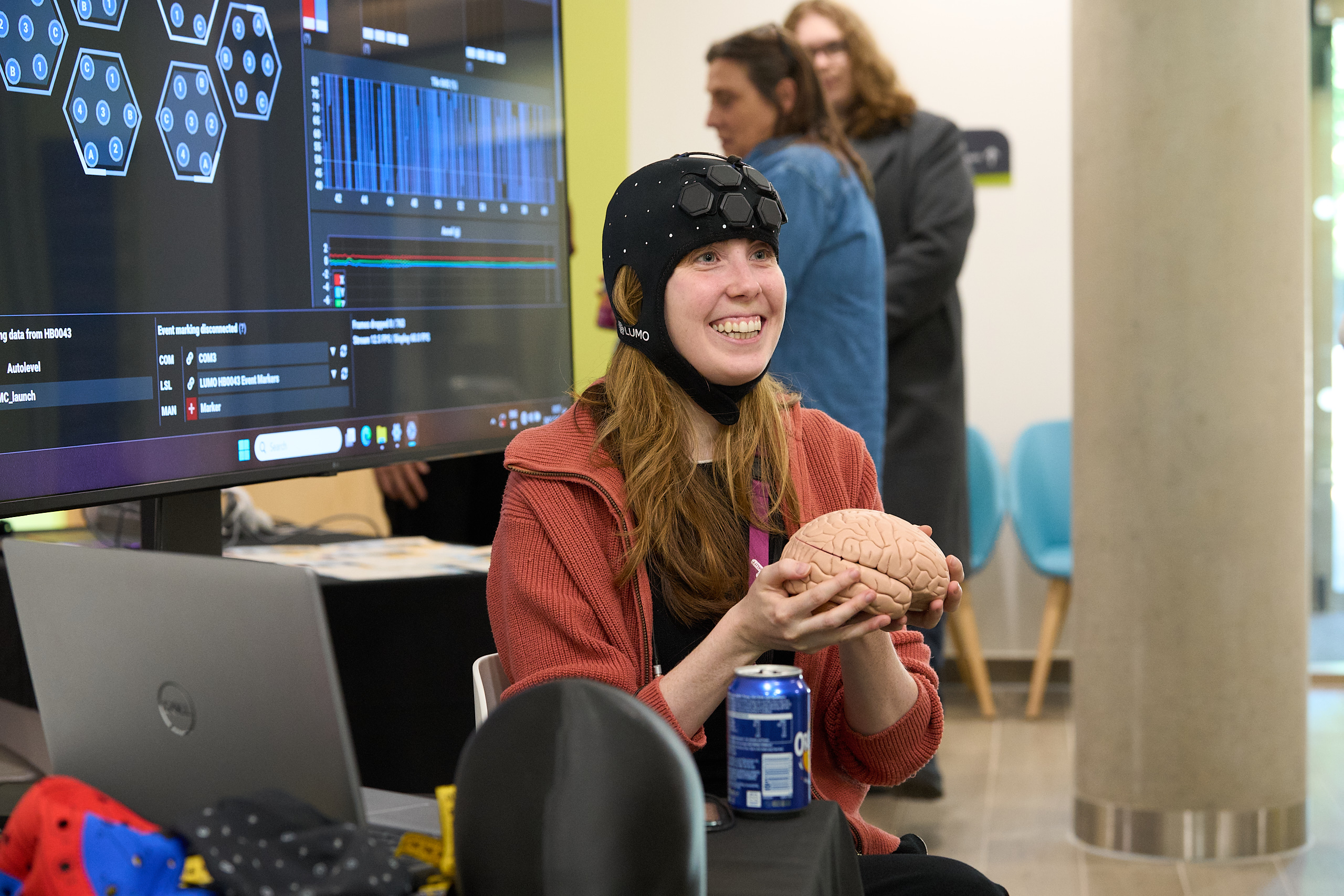
The MAGNUS system is one of the first high-performance head-only scanners, specialised for brain imaging. The new technology will allow scientists to push the boundaries of what is possible in neuroscience and psychiatric research, particularly regarding brain development.

Previously unobtainable resolution

The GE HealthCare MAGNUS 3T achieves a level of detail up to 10 times finer than previous state-of-the-art commercial systems, measuring the brain in far tinier 3D volumes (voxels). Crucially, previous scanners relied on mathematical models that could only estimate broad tissue properties. The MAGNUS system allows researchers to unlock more advanced models and reveals specific features such as individual axon (the fibres that transmit electrical signals between neurons) diameters and cell sizes.

Studying developing brains

Precisely measuring axons, cellular size and their densities is crucial to researching brain development in children and young people. In a developing brain, new connections are forming. The new scanner allows highly accurate quantification of these changes in the living brain tissue.

For several developmentally linked conditions such as ADHD, autism and psychosis, the MAGNUS scanner provides a valuable tool to measure how white matter and connections develop differently in children and young people.

“What is exciting is that we can use this novel clinical scanner to generate extremely high-quality images of brain structure and function for all ages” commented Professor Steve Williams.

Importance for children and young people

Professor Steve Williams, Head of Neuroimaging at the School of Neuroscience, and his team have spent years working to make scanning more accessible to children and young people.

Conventional scanning is extremely loud and can be time consuming. This can be challenging for young children who struggle to stay still for long periods and those with ADHD or autism who may be sensitive to noise.

The MAGNUS system is compatible with new silent scanning methods previously developed by Professor Williams’ team in collaboration with GE HealthCare and with support from the NIHR Maudsley BRC.

“Scanners can be noisy. For people feeling anxious, who are neurodiverse, those with tinnitus or auditory hallucinations, the noise can make scanning intolerable. It was important to us that we made the scanners as comfortable and quiet as possible for everyone.” – Professor Steve Williams, Head of Neuroimaging at the School of Neuroscience.

The researchers have also developed imaging methods which tolerate movement during the scan, and the new MRI technologies allow for two to three times faster scanning.

“With conventional whole-body scanners, in order to image every organ, you have to compromise,” commented Professor Williams. “The GE HealthCare MAGNUS 3T scanner is much more optimised for the head and neck, which means we can also choose to prioritise data quality, resolution or scan time. This is particularly good for children, who may not want to be in a scanner for a long time.”

These developments, specifically aimed at children and young people, will enable research into developmental conditions such as autism, ADHD and psychosis to be more inclusive

In recognition of its vital role for children and young people, the new scanner was partly funded by UK Research and Innovation (UKRI) as part of the King’s Maudsley Partnership for Children and Young People.

“The new scanner is better for kids. It’s in a lovely room, makes less noise, and during many of the scans, the child can watch a movie or listen to their favourite music, to help them feel at ease.  We want scanning to be great for science and fun for kids,” commented Professor Philip Shaw, Director of the King’s Maudsley Partnership.

An opportunity for collaboration

The scanner will be available for use by researchers across the IoPPN, NIHR Maudsley BRC, the King’s Maudsley Partnership, King’s School of Dentistry and clinicians in King’s Health Partners.

The scanner also offers opportunities for collaboration further afield across the UK and internationally. Plans are developing for an international consortium between groups using these scanners across the globe.

Follow Us

For the latest updates and news, follow us on our social channels.

Over £800,000 awarded to study the impact of earlier vs later smartphone ownership in children

Over £800,000 awarded to study the impact of earlier vs later smartphone ownership in children

Over £800,000 awarded to study the impact of earlier vs later smartphone ownership in children
The newly announced ONSET-Mobile study will bring together researchers from the worlds of psychiatry and neuroscience, to explore the impact of smartphone ownership on children and young people.
two teenagers looking down on their smartphone
The Huo Family Foundation has funded the ONSET-Mobile (Offsetting the Naturalistic Start of Engagement with Technology via Mobile Devices to Determine the Causal Impact on Development) study, which will leverage the large variation in the age at which children receive their first smartphone to determine how the resulting increase in digital platform engagement, such as social media and AI, shapes cognitive, emotional, and social development.

Professor Adam Hampshire from the School of Neuroscience, alongside Professor Philip Shaw from the School of Academic Psychiatry, and Director of the King’s Maudsley Partnership, the study will explore whether social media and AI can alter children’s development and impact real world outcomes with both positive and negative implications.

“There is growing concern about how online AI platforms and social media may be shaping the cognitive and social development of children and young people. These concerns are already influencing major policy decisions, yet there remains limited evidence about what the actual effects are, who is most vulnerable, and whether some impacts may even be beneficial.” – Professor of Cognitive and Computational Neuroscience

Using Cognitron, an online assessment platform, the team will deliver large-scale (up to 40,000 people) assessments in children from REACT, a unique randomly sampled UK cohort. Then, pseudo-trial modelling will estimate the potential causal pathways where social media and AI use affect cognitive development, mental health, lifestyle and education.

Subsequently, the team will recruit around 800 children and randomise them into two groups. One group will receive a smartphone immediately, and the other will be in the delayed-access arm, where smartphone ownership will be delayed by around six months. This will enable the researchers to develop experimental confirmation of causal effects on cognitive development, mental health and real-world function over 24 months.

“The project tackles a key aspect of the critically important issue of how social media impacts on child development. Many parents ask us, as mental health care professionals, how old their child should be before they get their first smartphone. This study will give the sort of evidence we need to give helpful, informed answers to this important question.” – Professor Philip Shaw, Director of King’s Maudsley Partnership for Children & Young People

The aim of ONSET-Mobile is to help inform parental guidance and national digital health policy around smartphone ownership and use. This will help answer a frequently disputed question, when is the appropriate time for children to be given a smartphone? Alongside this, the study will develop a unique dataset to advance developmental cognitive neuroscience.


Follow Us

For the latest updates and news, follow us on our social channels.