This is My Place: Building a Brighter Future at the Pears Maudsley Centre

This is My Place: Building a Brighter Future at the Pears Maudsley Centre

This is My Place: Building a Brighter Future at the Pears Maudsley Centre 

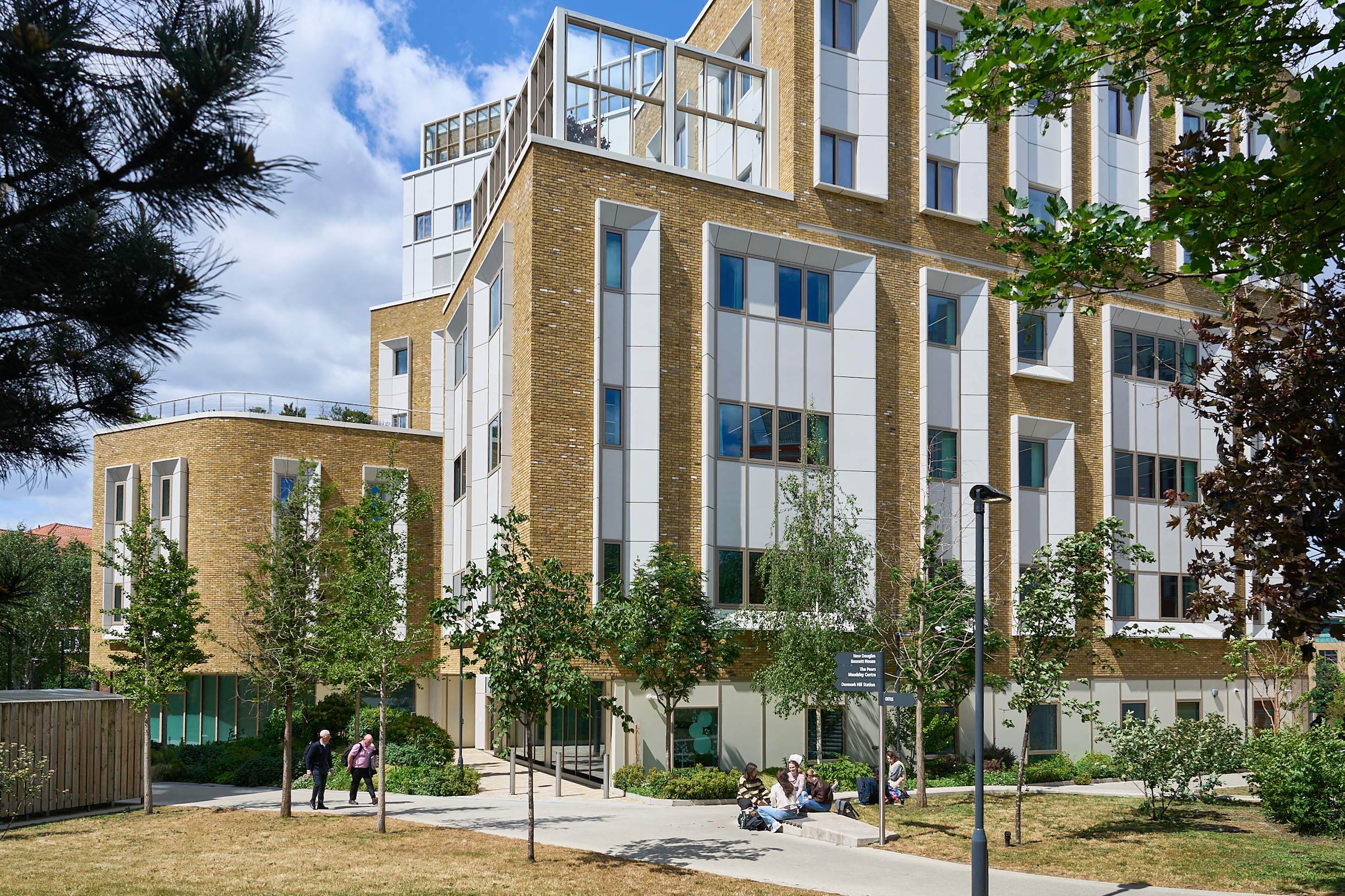
The theme for Children’s Mental Health Week 2026 (February 9-15), “This is My Place”, is at heart of the ethos around the design of the Pears Maudsley Centre for Children and Young People which will open its doors this year!

Based in South London at the heart of the world leading Maudsley Hospital site, it will be home to the King’s Maudsley Partnership, as well as many South London and Maudsley NHS Trust‘s child and adolescent mental health services (CAMHS) services, the Maudsley and Bethlem Hospital School and state of the art clinical research facilities. 

The pioneering new Centre will care for some of the UK’s most vulnerable young people experiencing anxiety, depression, OCD, self-harm, eating disorders, trauma and autism – work that will benefit the local community and be shared nationally and internationally. 

place designed for and byoung people

From its very inception, this building has been a ground-breaking project, not just in its architectural ambition but in its fundamental approach to design. We believe that for young people to feel truly supported and safe, their environment must reflect their needs and perspectives. That’s why the Pears Maudsley Centre has been co-designed with children, young people, and their families every step of the way.

The Centre’s layout and interior design has been informed by the needs and views of young service users. Throughout the design process we held workshops, consultations, and feedback sessions, listening to what young people wanted and needed from a mental health facility. Their insights have been invaluable, shaping: 

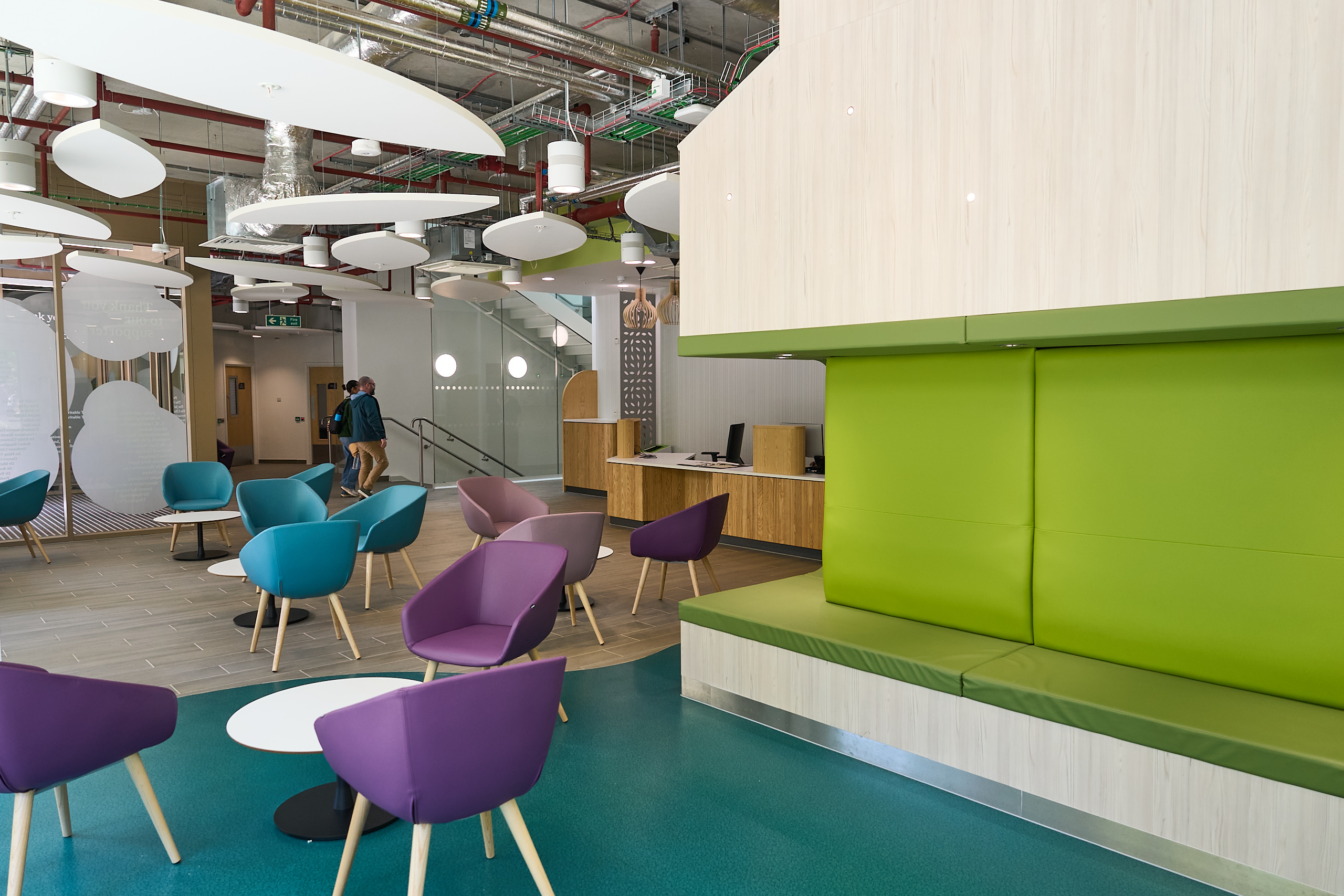
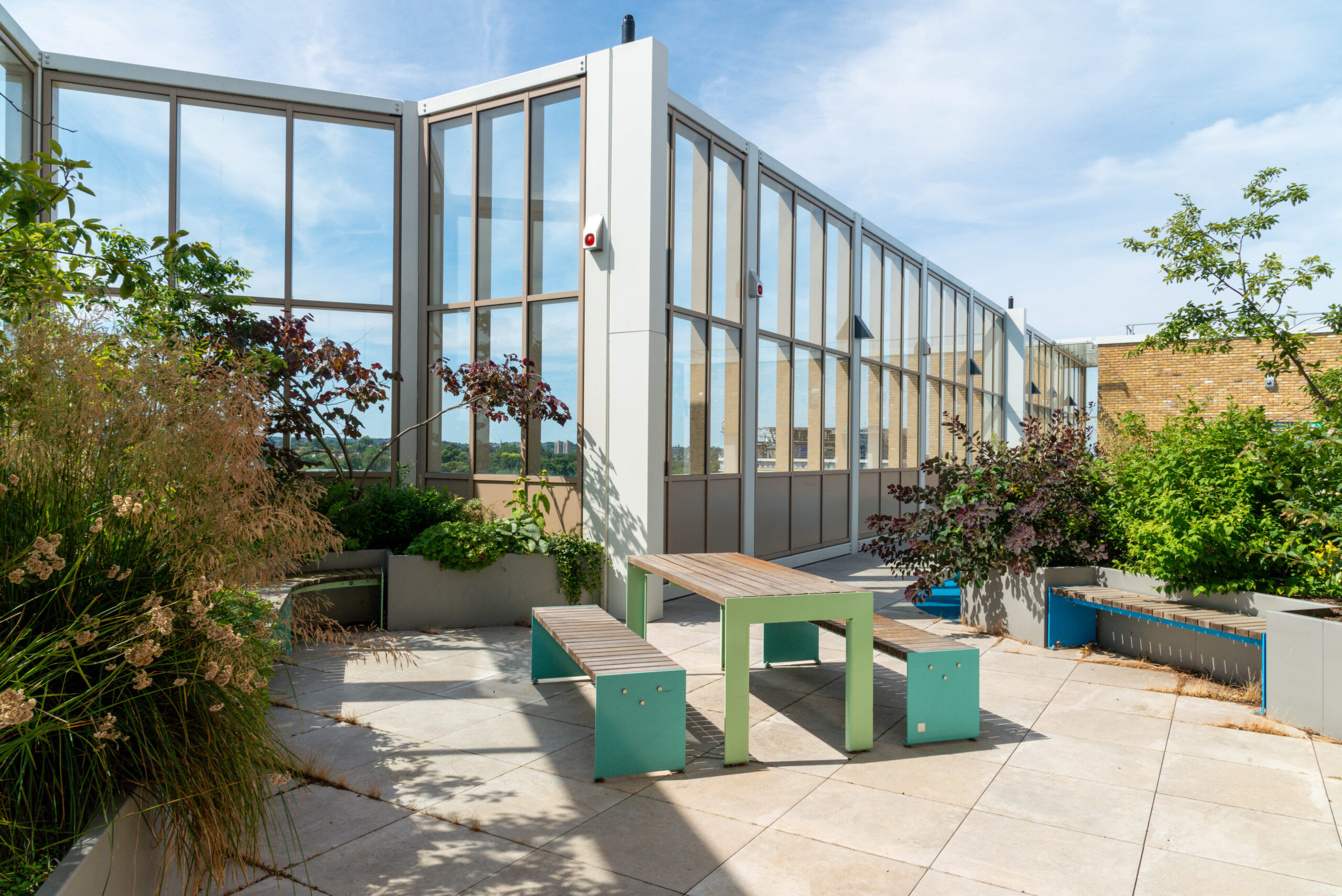
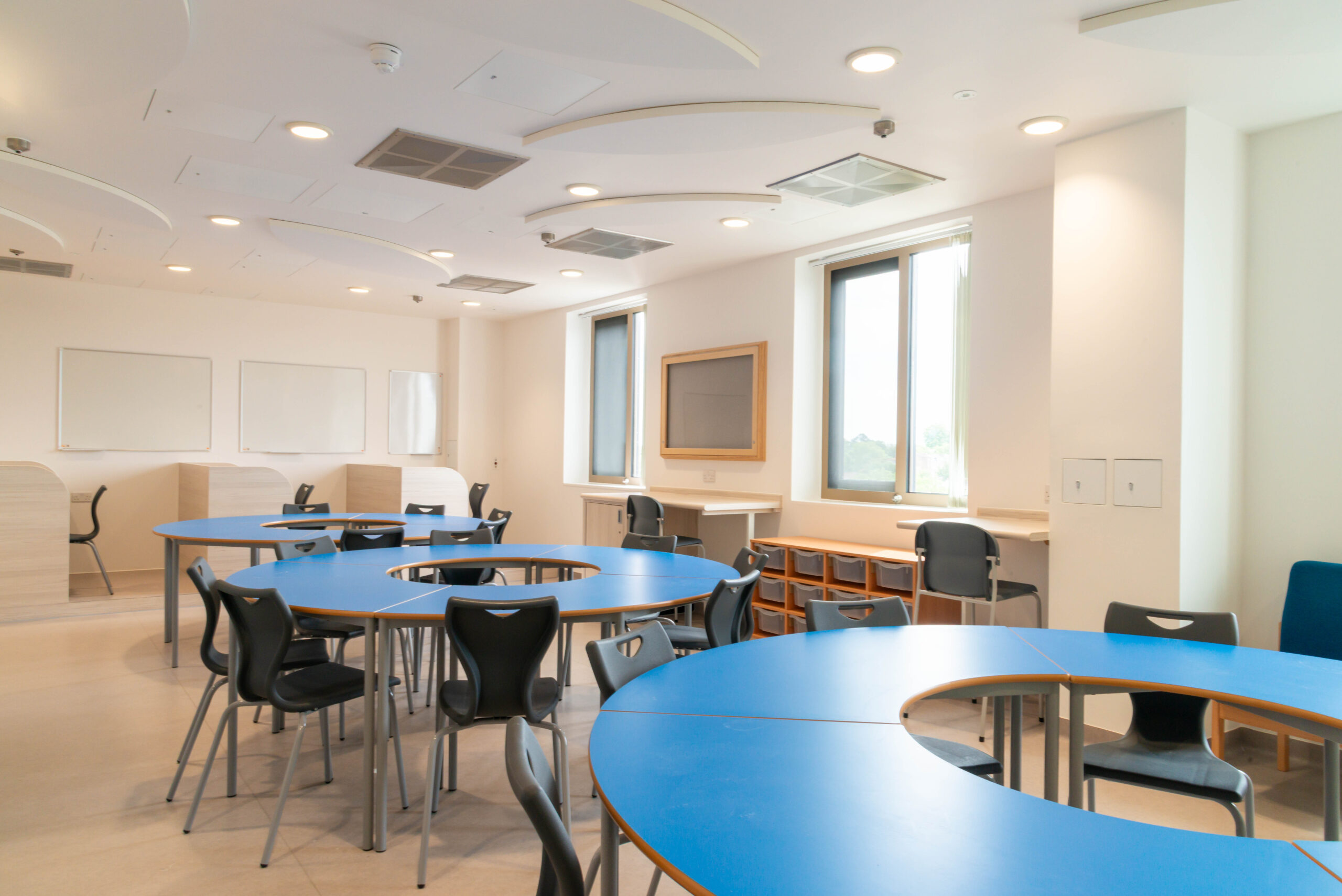
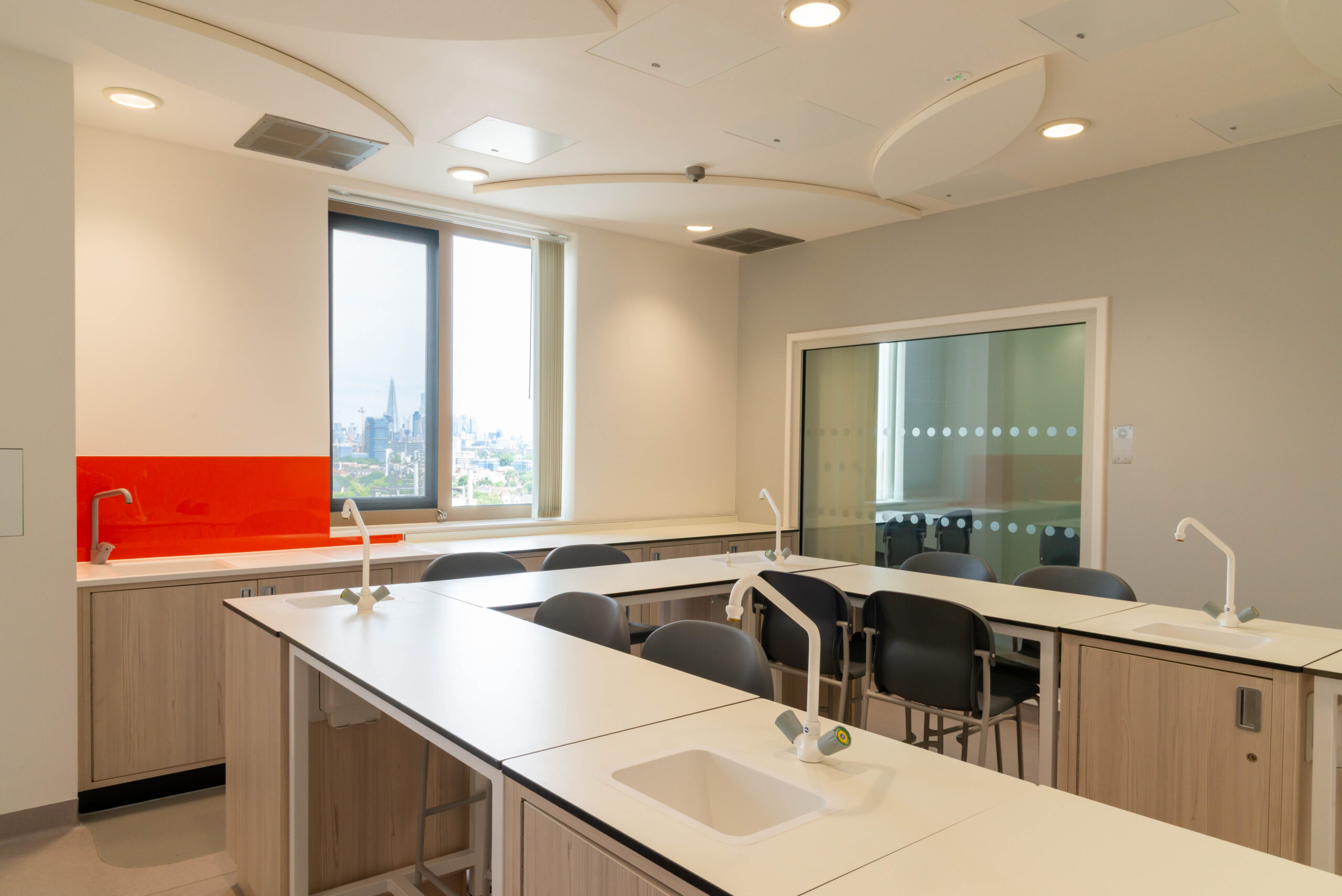
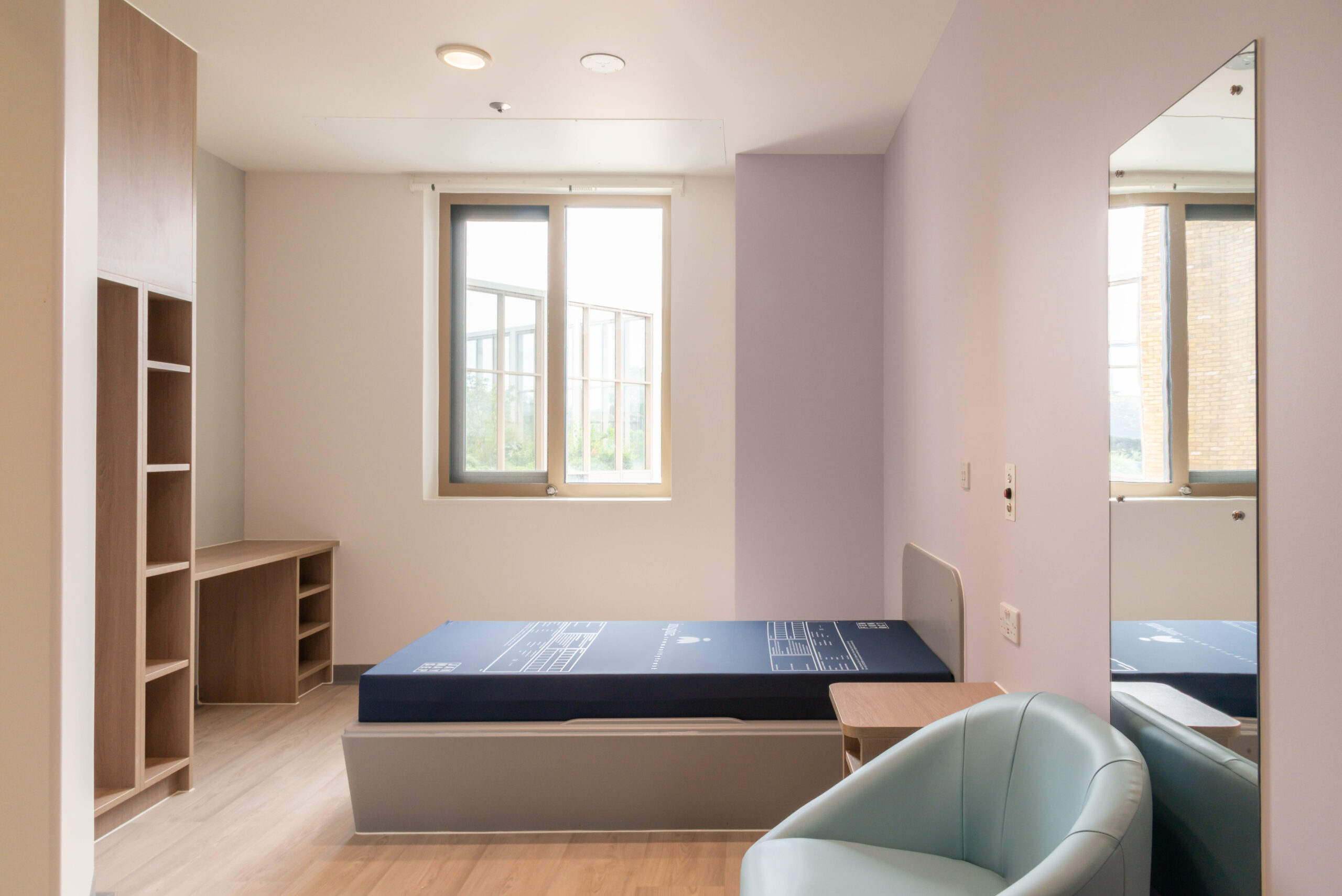
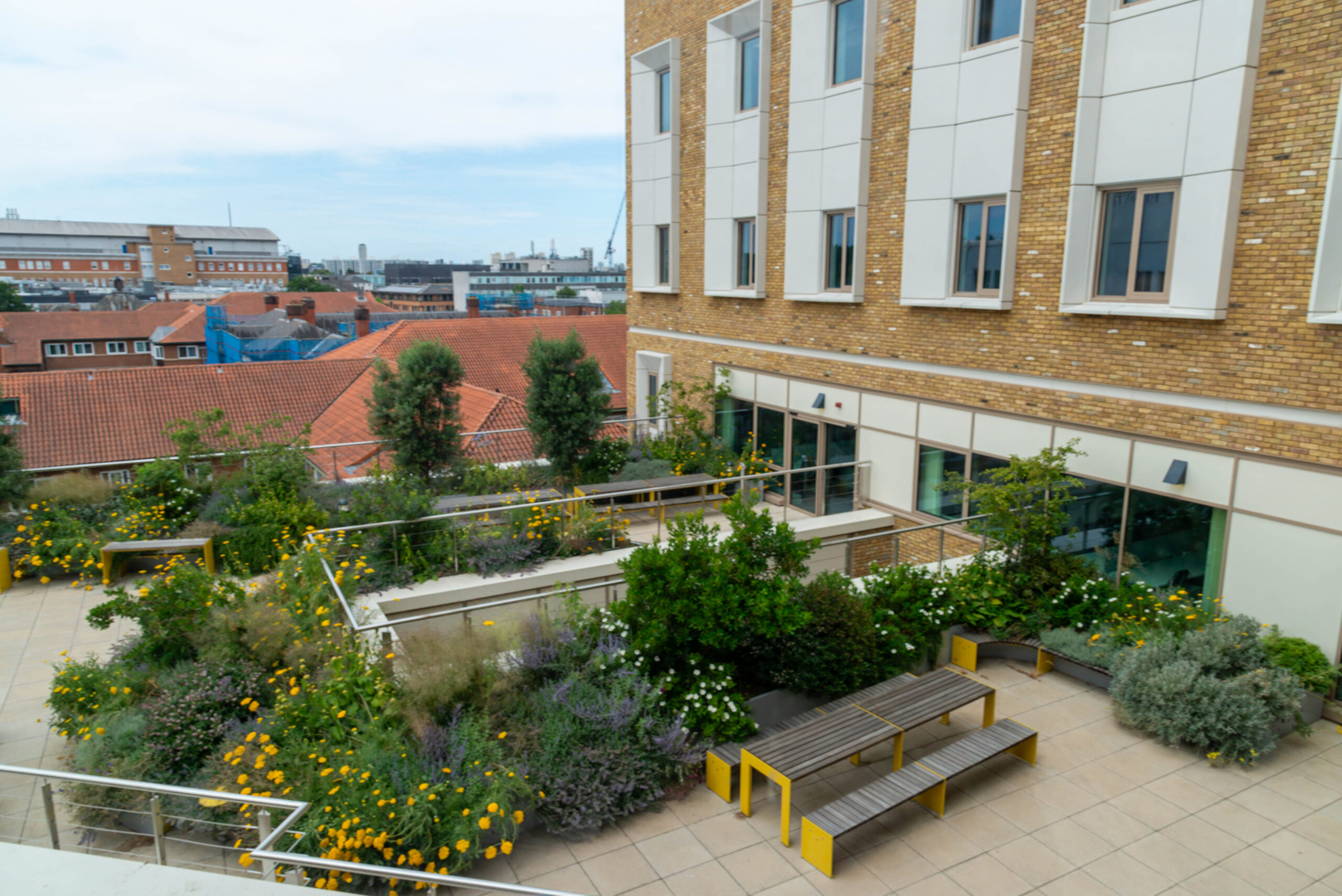
  • Welcoming and accessible spaces: The Centre has been designed to be bright, open, and easy to navigate, reducing feelings of anxiety often associated with clinical environments. Natural light, green spaces, and a sense of calm have been prioritised. 
  • Young People’s Art Group: young service users aged between 16 and 21 helped guide our arts strategy at the Centre. With the support of local artist, Daniel Regan, the Young People’s Art Group created the brief for each of the three commissions, which invited artists to develop exciting, site-specific artworks for the Centre, based on the theme of ‘nature’. This work was led by the Bethlem Gallery, supported by the Maudsley Charity. 
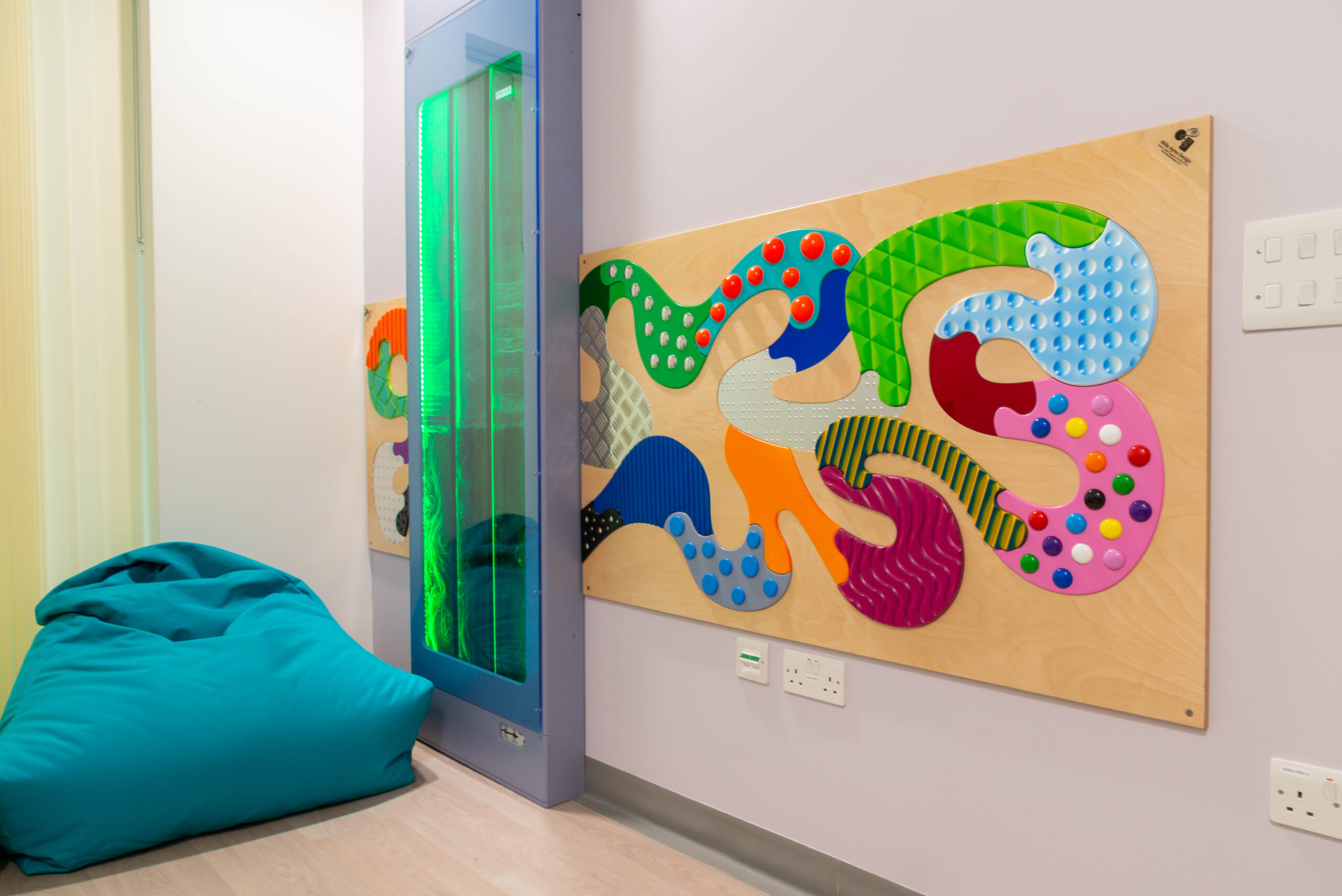
  • Therapeutic environments: From quiet contemplation zones to active social areas, every space has been carefully considered to support different therapeutic needs and personal preferences. The design encourages engagement, creativity, and connection. 
  • Reduced stigma: A key aim of the co-design process was to challenge traditional perceptions of mental health services. The Pears Maudsley Centre feels less like a hospital and more like a community hub, a safe haven where young people can feel comfortable and understood. 

It’s going to change things literally from the ground up. It’s so rare within mental health services to have facilities that have been designed from the very start with young people, for young people. 


Dr Bruce Clark, Clinical Director King’s Maudsley Partnership 

A Testament to Collaboration and Hope  

The opening of the Pears Maudsley Centre is a testament to the power of collaboration. It will act as a collaboration hub for academics and clinicians to work alongside children, young people and families to transform our understanding, and treatment of children’s mental health and neurodevelopmental conditions. It’s a place where they will find world-class care in an environment that truly understands and respects them. 

Follow Us

For the latest updates and news, follow us on our social channels.

Sign up to our newsletter for more updates on the Pears Maudsley Centre and for ways you can get involved! 

Brain stimulation device cleared for ADHD in the US is safe but not effective

Brain stimulation device cleared for ADHD in the US is safe but not effective

Brain stimulation device cleared for ADHD in the US is overall safe but ineffective

A large multicentre clinical trial led by King’s College London with 150 children and adolescents has shown that a device cleared by the USA FDA to treat ADHD is not effective in reducing symptoms.

The device – which uses an approach called trigeminal nerve stimulation (TNS) – was cleared for use by the US Food and Drugs Administration (FDA) to treat ADHD in 2019 based on a small study. These new findings from a larger multicentre trial, published in the journal Nature Medicine, suggest authorities should revisit the original evidence that supported the FDA clearance. Notably, TNS is currently not recommended for use in the UK by NICE guidelines.

The trial was run in collaboration with University of Southampton and funded by a partnership between the National Institute for Health and Care Research (NIHR) and Medical Research Council (MRC) with further support from the NIHR Maudsley Biomedical Research Centre.

Attention-Deficit/Hyperactivity Disorder (ADHD) affects 5-8 per cent of school-age children worldwide and is associated with age-inappropriate problems with attention and/or hyperactivity and impulsivity that can impair everyday functioning. Stimulant medications improve symptoms in 70 % of those who take them in the short term but there is less evidence of their long-term effects.

To provide an alternative to medication researchers have developed and trialled approaches that use non-invasive stimulation of the brain, working on the regions that have been identified as influential in ADHD.

One of these approaches involves stimulating the trigeminal nerve (TNS), targeting a branch of this facial nerve which is thought to activate the brainstem and from there other brain regions that may be relevant to ADHD, in particular the locus coeruleus, which plays a role in arousal which is typically diminished in people with ADHD. TNS is thought to stimulate other brain regions associated with attention such as frontal and thalamic areas via the brainstem in a bottom-up manner.

A previous small trial in the US with 62 children diagnosed with ADHD has shown that when TNS is applied every night for 8 hours for one month it is effective in reducing symptoms – this research led to its clearance by the FDA for use in the US. However, the control condition involved no stimulation and blinding was not tested after one month, raising questions about a potential placebo effect.

This new UK clinical trial across two sites in London and Southampton tested TNS in a wider range of 150 children and adolescents diagnosed with ADHD aged between 8 and 18 years old and applied a more rigorous placebo condition. Half of the sample received real TNS for about 9 hours every night for 4 weeks through battery-powered electrodes applied to the forehead. The other half of the sample received the ‘sham’ condition where electrodes were still applied to the forehead every night for 4 weeks but participants only received 30 seconds of stimulation every hour at a lower frequency and pulse width, which are thought to be non-effective and hence act as a “control” condition.

Professor Katya Rubia, Professor of Cognitive Neuroscience at the Institute of Psychiatry, Psychology & Neuroscience (IoPPN), King’s College London and senior author of the study said: “Our study shows how important it is to design an appropriate placebo condition in clinical trials of brain therapies. There is a large placebo effect with high-tech brain therapies, in particular for patients and families that have an expectation that they can adjust brain differences associated with ADHD. It is hence paramount to control for placebo effects in modern brain therapies to avoid false hopes.”

Dr Aldo Conti, postdoctoral researcher at IoPPN and at Florence Nightingale Faculty of Nursing, Midwifery & Palliative Care, King’s College London and first author on the study said: “This multicentre trial was designed to address key limitations of the previous pilot study that informed FDA clearance of TNS for ADHD, particularly by using a rigorously controlled sham condition that supported successful blinding across the treatment period. Unlike the earlier study, which was limited to younger children, we also included adolescents, a clinically important group given well-documented challenges with long-term medication adherence. These design choices enabled a more robust and clinically relevant evaluation of TNS.”

By comparing the groups researchers evaluated effectiveness of TNS by assessing the symptoms of ADHD as reported by parents, alongside other outcomes such as mind-wandering and attention, depression and anxiety, and sleep.

The trial showed that TNS was safe with no serious adverse events and most participants considered it a mild or no burden to use. However, the results showed no significant change in ADHD symptoms, objective measures of hyperactivity, attention and associated behaviours around mood and sleep.

Professor Samuele Cortese, NIHR Research Professor at University of Southampton and study lead for the Southampton site, stated: “Rigorous evidence, such as that generated by this study, is essential for supporting shared decision-making regarding interventions for ADHD. It empowers individuals with ADHD and their families to make informed choices about the treatment of ADHD. Clinicians, individuals with ADHD, and their families need to know which treatments work, and which do not based on the best evidence.”

This project was funded by the Efficacy and Mechanism Evaluation (EME) Programme which is a partnership of the Medical Research Council (MRC) and National Institute for Health and Care Research (NIHR). The trial was run by the King’s Clinical Trials Unit and recruitment involved the Child and Adolescent Mental Health Services (CAMHS) clinics within the following NHS trusts: South London and Maudsley NHS Foundation Trust, Hampshire and Isle of Wight Healthcare (previously known as SOLENT NHS Trust), Central and North-West London NHS Foundation Trust, Oxleas NHS Foundation Trust and South-West London and St. George’s Mental Health NHS Trust.

External trigeminal nerve stimulation in youth with ADHD: a randomized, sham-controlled, phase 2b trial by Conti, A.A. et al was published in Nature Medicine. https://doi.org/10.1038/s41591-025-04075-x

Follow Us

For the latest updates and news, follow us on our social channels.

Imaging the developing brain using light at the Pears Maudsley Centre

Imaging the developing brain using light at the Pears Maudsley Centre

Imaging the developing brain using light at the Pears Maudsley Centre

By Dr Louisa Gossé 

Brain imaging has revolutionised how we understand mental health in children and young people. It reveals that these conditions have real biological foundations and that every child’s brain is unique. Brain scans also allow us to explore how children and young people develop, and what happens in the brain when development takes an unexpected turn for example, when a child or a young person experiences a mental health condition like anxiety or depression or has a developmental condition like attention deficit hyperactivity disorder (ADHD). 


Can we really study the brain using light?   

One particularly exciting way to study the brain is by using light. While it may sound like something from a science-fiction film, the way it works is probably more familiar to you than it might at first seem. In the same way that a fitness watch uses light to measure heart rate, scientists can use light to measure brain activity. This method is called functional near-infrared spectroscopy, or fNIRS. It allows us to observe how the brain functions while children take part in everyday activities, rather than only when they are lying still in a scanner. 


How does this light-based brain imaging actually work?  

Children simply wear a soft, comfortable hat (a bit like a swimming cap) with small sensors that shine harmless near-infrared light onto the head.  

Our brains need oxygen to do its work. Whenever we do something, like listening to music or solving a puzzle, certain brain regions work harder than others and then and use more oxygen than others. The body responds by increasing blood flow to those areas of the brain. Blood that carries a lot of oxygen absorbs light differently from blood with less oxygen and the fNIRS hat picks up on these subtle changes to map brain activity. By measuring how much of the light travels through the head and is absorbed at any given time, scientists can see which areas of the brain are active and how that activity shifts over time. 


Why can fNIRS be such a game-changer for studying the brain during development? 

fNIRS is one of the newest, most flexible brain-imaging tools available. Unlike many traditional brain-imaging methods, fNIRS is quiet, non-invasive and highly flexible. MRI scanners, for example, have greatly advanced our understanding of the (developing) brain, but they require people to lie still inside a noisy, enclosed space. This can be challenging or overwhelming for many children and young people, especially very young children, children with different sensory needs or those with neurodevelopmental conditions like ADHD. fNIRS lets children move more freely and behave more naturally. This opens the door to research that is more inclusive, allowing more children to participate in science studies.  This movement-friendly design also makes fNIRS very valuable for understanding behaviour in real-world situations. Researchers can observe children while they chat with their parents, explore toys, solve age-appropriate tasks or even play together. Or we can study two young people wearing fNIRS hats at the same time, allowing us to understand how the developing brain works in real-life communication. This kind of natural, real-time data is extremely difficult to gather using traditional brain imaging method.


How will fNIRS help us improve mental health care for young people?  

We are already using fNIRS in our research within the King’s Maudsley Partnership and will continue to grow its use when the Pears Maudsley Centre for Children and Young People opens next year. Enabling children who would have otherwise been excluded from participating in research to take part is central to ensuring our work will be more likely to benefit all children, not just the easiest to study. fNIRS is an example of how we are centering inclusion and equity in our research. 

Once our understanding of the developing brain in the real-world has improved we can then work as the King’s Maudsley Partnership, on bringing it into therapeutic settings / the clinic.  

We hope that fNIRS will become a key tool for advancing our mission to improve mental health care. For example, by helping us design interventions that are tailored to an individual child or young person’s specific strengths and challenges. Or by helping clinicians with choosing the most effective treatment plan, so that we can get care and support to families faster and more efficiently. 

We also hope that brain imaging studies can then not only take place in the dedicated clinical research facilities but also in school or community settings, and even in the comfort of your homes. Our goal is to make science work for and with every child and young person, so that they can thrive to the best of their ability.  

If you want to learn more about fNIRs and our work in this area please contact us on KMPCYP@slam.nhs.uk. Learn more about the Pears Maudsley Centre.

Learn more about Dr Louisa Gosse and her work.

Follow Us

For the latest updates and news, follow us on our social channels.

Response to announcement of independent review into mental health, ADHD and autism services

Response to announcement of independent review into mental health, ADHD and autism services

Response to announcement of independent review into mental health, ADHD and autism services

A photo of Philip Shaw stood in front of the Pears Maudsley Centre for children and young people

Yesterday (4 December) the Government launched an independent review to look at rising demand for mental health, ADHD, and autism services and what is driving it.


Our Reaction


“Waiting lists for the assessment of both mental health conditions, ADHD, and autism have all risen exceptionally sharply in the last decade. Many people are seeking help from services that are stretched too thin, and people in need are falling through the cracks. 

“In order to confront this situation, we need to have a clear grasp as to why so many people are seeking help. The King’s Maudsley Partnership is home to the world’s largest group of researchers and clinicians dedicated to understanding and improving outcomes for children with a range of conditions, and we’re working hard to understand the underlying causes in an effort to provide the knowledge needed for more effective interventions. 

“The announcement of this review is a welcome one, and we hope our work will contribute meaningfully to it.” 

Follow Us

For the latest updates and news, follow us on our social channels.

RE-STAR Team & Dr Gonzalo Salazar de Pablo win at Association for Child and Adolescent Mental Health Awards

RE-STAR Team & Dr Gonzalo Salazar de Pablo win at Association for Child and Adolescent Mental Health Awards

RE-STAR Team & Dr Gonzalo Salazar de Pablo win at Association for Child and Adolescent Mental Health Awards

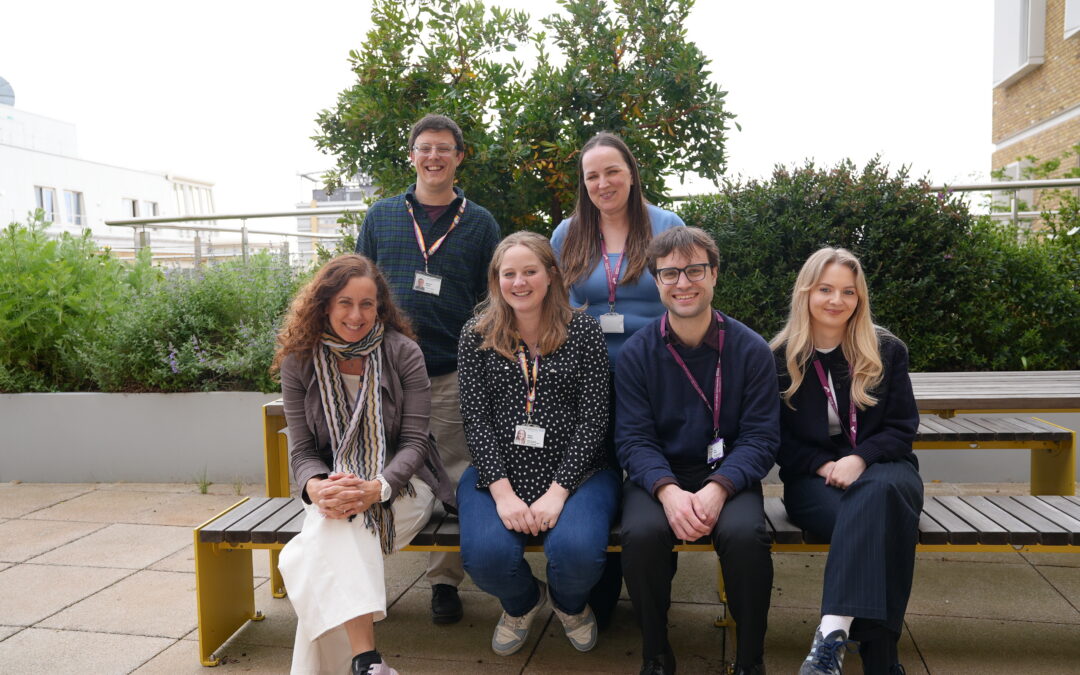
RE-STAR Team

Held annually, the Association for Child and Adolescent Mental Health (ACAMH) Awards aim to recognise high quality work in evidence based science, both in publication and practice, in the field of child and adolescent mental health. Receiving a nomination is prestigious recognition of work that is at the forefront of the advancement of child and adolescent mental health research, and clinical practice. 

Dr Gonzalo Salazar De Pablo wins Kathy Sylva ‘Rising Star’ Award

The Kathy Sylva ‘Rising Star’ Award is presented to someone who has made a significant scientific contribution to child and adolescent mental health literature, within 10 years of their first peer reviewed journal publication.

The 2025 Award was presented to Dr Gonzalo Salazar de Pablo, Senior Clinical Lecturer in the Department of Child & Adolescent Psychiatry, honorary Consultant Child & Adolescent Psychiatrist at the South London and Maudsley NHS Foundation Trust and part of the King’s Maudsley Partnership for Children & Young People. It was presented in recognition of his outstanding scientific contributions to child and adolescent mental health.

I am deeply honoured to receive the Kathy Sylva Rising Star Award. This recognition means a great deal to me, and it is only possible thanks to the young people, families, and colleagues I have had the privilege of working with. I am really grateful to ACAMH for this award, and to my collaborators across King’s, South London and Maudsley, and our international partners for their support and inspiration.

Dr Gonzalo Salazar de Pablo

Dr Gonzalo Salazar de Pablo’s research focuses on the early identification and prediction of bipolar disorder and psychosis in young people, advancing the field through high-impact publications.

The nomination highlighted his exceptional productivity, international collaborations, and leadership. A defining feature of Dr Salazar de Pablo’s work is his commitment to co-production with young people, families, and clinicians, ensuring that research questions and interventions are grounded in lived experience and real-world clinical needs. Receiving this award is a meaningful recognition of his work and his contributions to child and adolescent mental health.

Looking ahead, he hopes to continue developing equitable, accessible, and youth-informed approaches that improve early intervention and long-term outcomes for children and adolescents worldwide.

Lionel Hersov Memorial Award presented to RE-STAR

The Lionel Hersov Memorial Award is given to a practice or research team that has either demonstrated the translation of an evidence base into clinical practice with measurable clinical impact, or demonstrated quality improvement within either clinical or research practice.

This year, it was presented to RE-STAR Academic Researchers (Ars) and its Youth Researcher Panel (Y-RP), a four-year interdisciplinary programme led by researchers from the Department of Child & Adolescent Psychiatry, and part of the King’s Maudsley Partnership at King’s College London with UCL, Anna Freud and Centre.

We are thrilled that the work of the RE-STAR Team – both the academics and the youth researchers – has been recognised in this way. This collaborative process has been transformative on so many levels, both for those involved and the science we’ve been focused on. Ultimately, we hope this will help us find new ways to promote the mental health of neurodivergent young people.

Dr Susie Chandler

RE-STAR Programme Manager, Department of Child & Adolescent Psychiatry, IoPPN

RE-STAR, led by Professor Edmund Sonunga-Barke, explores the interplay between autism and/or ADHD traits, exposure to environmental stressors, and emotional responding in neurodivergent young people, in driving developmental pathways to depression.

Who are the RE-STARs? To me we are a band of neurodiverse adventurer scientists coming together, at a particular moment in time, to explore new ways of doing child and adolescent mental health research by stretching the boundaries of participatory and inter-disciplinary practice. I believe our last four years of work illustrates the creative energy that can be released when researchers from radically different backgrounds come together with young autistic young people and those with ADHD to produce real progress in ideas new, methods, interpretations and interventions.

Professor Edmund Sonuga-Barke

RE-STAR Chief Investigator, Department of Child & Adolescent Psychiatry, IoPPN

The programme works closely with its Youth Researcher Panel, who play an integral role in the planning and delivery of RE-STAR, and contribute to the project in a wide variety of ways, working alongside the academic researchers as ‘co-researchers’, co-analysing and collecting data, and helping to share and communicate the work of RE-STAR to a wider audience.

RE-STAR is funded by UKRI Medical Research Council.

Celebrating the award wins, Head of Department for Child & Adolescent Psychiatry, Professor Philip Shaw, said, “I know that all in the King’s Maudsley Partnership join me in congratulating the award winners and those nominated, and a shout out also to others at KMP who were nominated, the awardees showcase how King’s Maudsley Partnership strives to infuse research into clinical care, and will enrich our research through clinical insights and experience.”

Dr Gonzalo Salazar de Pablo, the Rising Star, has provided consistently highly impactful reviews of studies that centre on key clinical questions.  His achievement is all the more impressive as he is very active in CAMHS, both working with families and developing care pathways.  The RE-STAR team, led by Professor Sonuga-Barke, gain their award in part for placing neurodivergent young people at the core of all of stages of their research.  In RE-STAR, experts by lived experience and experts by academic training have together provided rich insights into why depression is so often experienced by neurodivergent youth.  

Professor Philip Shaw

Director of the King’s Maudsley Partnership and Head of Department of Child & Adolescent Psychiatry, IoPPN

Alongside these wins, we’re delighted to recognise Dr. Josefien Breedvelt who was also nominated for the Rising Star award, and Mr Sangwoo Richard Jung, shortlisted for Clinical Trainee of the Year.

Follow Us

For the latest updates and news, follow us on our social channels.